
Fatherhood is about much more than providing financial support. An involved father plays an important role in a child’s emotional, social, physical, and cognitive development while also helping create a strong, healthy family environment. From pregnancy through adulthood, fathers influence the confidence, well-being, and future relationships of their children in meaningful ways.
Modern fatherhood has evolved significantly over the years. Today, fathers are increasingly involved in prenatal appointments, childbirth, newborn care, school activities, emotional support, and everyday parenting responsibilities. Research continues to highlight that children benefit when fathers actively participate in their lives alongside mothers and other caregivers.
Whether you’re preparing to become a father, navigating the early days with a newborn, raising young children, or simply looking to strengthen your relationship with your family, understanding why fatherhood matters can help you become a more confident and engaged parent.
In this guide, you’ll learn the importance of fatherhood, how fathers support healthy child development, practical ways to build strong relationships with your children, common parenting challenges, and everyday habits that contribute to positive father involvement.
What Does Fatherhood Really Mean?
Fatherhood is a lifelong journey of guidance, support, responsibility, and unconditional love. While every family is unique, being a father involves much more than meeting financial needs. It means being emotionally available, spending quality time together, encouraging healthy development, and helping children feel safe, valued, and confident as they grow.
Positive fatherhood doesn’t require perfection. Children benefit most from fathers who are consistently present, willing to learn, and actively involved in everyday family life. Small daily interactions—reading together, listening carefully, sharing meals, playing games, or simply talking about the day’s events—often have a lasting impact.
More Than Being a Provider
For generations, many people viewed fathers primarily as financial providers. While providing stability remains an important responsibility, today’s fathers often take a much more active role in parenting.
An involved father may:
- Care for newborns and infants
- Attend medical appointments
- Help with feeding and bedtime routines
- Support schoolwork and learning
- Encourage hobbies and sports
- Teach problem-solving skills
- Offer emotional guidance during difficult moments
Children benefit from seeing fathers participate in both practical responsibilities and nurturing interactions. These shared experiences help build trust, strengthen family relationships, and create lasting memories.
Parent Tip
Children often remember everyday moments—reading a bedtime story, playing in the park, or sharing a conversation—far more than expensive gifts or special occasions.
The Changing Role of Fathers in Modern Families
Today’s families often share parenting responsibilities more equally than in previous generations. Many fathers now take parental leave, share household duties, prepare meals, attend school events, and participate in healthcare decisions.
This shift benefits everyone in the family.
When parenting responsibilities are shared:
- Children receive consistent care and emotional support.
- Mothers often experience greater support during pregnancy and after childbirth.
- Fathers build stronger emotional bonds with their children.
- Families develop healthier communication and teamwork.
Being actively involved doesn’t mean being perfect. It means showing up consistently, adapting to changing family needs, and working together with your partner to create a supportive home environment.
Why Every Child Benefits From Positive Father Involvement
Every child deserves caring adults who provide encouragement, stability, and guidance. When fathers are positively involved, children often have additional opportunities to learn important life skills through everyday interactions.
Positive father involvement may help children:
- Develop emotional resilience.
- Build healthy self-confidence.
- Improve communication skills.
- Learn empathy and respect.
- Develop problem-solving abilities.
- Feel secure within their family.
- Form positive relationships with others.
It’s important to remember that every family structure is different. Some children are raised by single parents, grandparents, adoptive parents, guardians, or other loving caregivers. What matters most is that children experience consistent care, emotional support, and healthy relationships from the trusted adults in their lives.
Why Fatherhood Matters for Child Development
A father’s influence extends far beyond providing financial support. Everyday interactions—whether it’s reading a bedtime story, helping with homework, playing a game, or simply listening—can shape a child’s emotional, cognitive, and social development. While every family is unique and children thrive with different caregiving arrangements, research consistently shows that positive father involvement contributes to healthier child development when fathers are present and engaged.
Being an involved father doesn’t require grand gestures. Small, consistent actions often have the greatest impact, helping children feel secure, valued, and supported as they grow.
Building Emotional Security
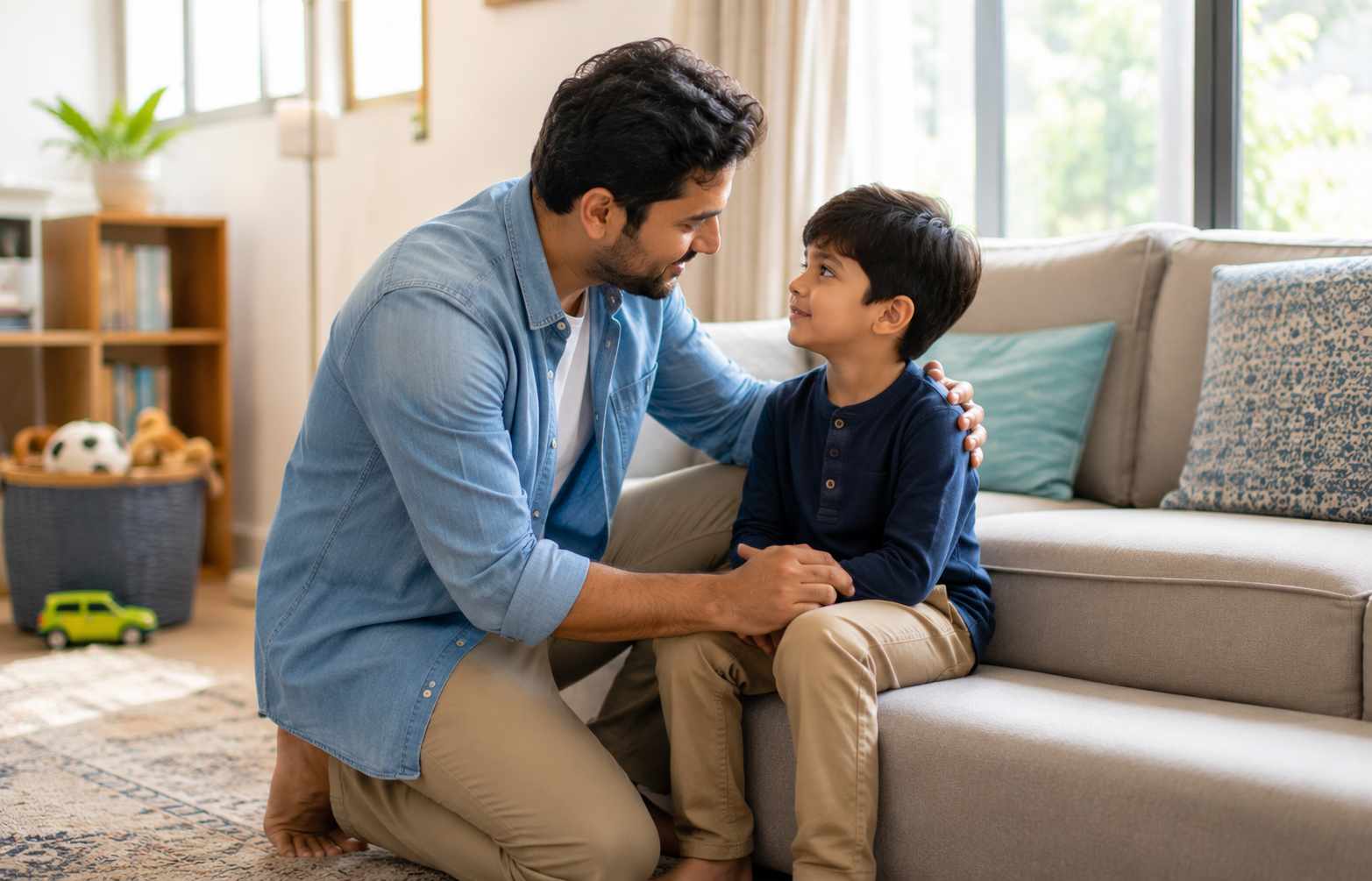
Children thrive when they know they are loved, accepted, and supported. Fathers who spend quality time with their children, listen without judgment, and respond with patience help create a strong sense of emotional security.
When children feel emotionally secure, they are often better able to:
- Express their feelings confidently.
- Build trusting relationships.
- Cope with everyday challenges.
- Develop resilience during difficult situations.
- Feel comfortable asking for help when needed.
Emotional security begins with simple daily interactions. Whether it’s sharing a meal, reading together, or talking about school, these moments help children feel connected and understood.
Research from UNICEF highlights that warm, responsive relationships with parents and caregivers help children develop emotional security, confidence, and healthy social skills during early childhood. Families can explore practical parenting guidance through UNICEF’s parenting resources.
Parent Tip
Even 15–20 minutes of uninterrupted one-on-one time each day can strengthen your bond with your child.
Supporting Cognitive Development

Children learn through observation, conversation, and shared experiences. Fathers who actively engage in reading, problem-solving activities, educational games, and everyday discussions help create valuable learning opportunities.
Simple activities such as:
- Reading bedtime stories
- Building puzzles together
- Exploring nature
- Cooking as a family
- Answering children’s questions
- Encouraging curiosity
can stimulate critical thinking and language development while making learning enjoyable.
Rather than focusing only on academic achievement, involved fathers encourage children to explore, ask questions, and develop confidence in their ability to learn.
The Centers for Disease Control and Prevention (CDC) provides developmental milestone resources that help parents understand how children grow, learn, and communicate during different stages of childhood.
Improving Social Skills
Children develop many of their communication and relationship skills by observing the adults around them. Fathers who demonstrate kindness, empathy, patience, and respectful communication provide valuable examples for children to follow.
Positive father involvement can help children learn how to:
- Share with others.
- Resolve disagreements respectfully.
- Communicate clearly.
- Show empathy.
- Work as part of a team.
- Respect different opinions.
These skills support healthy friendships, family relationships, and future interactions throughout life.
Encouraging Independence
One of the most important roles of a father is helping children gradually become independent. This doesn’t mean expecting children to do everything on their own—it means providing guidance while allowing them to learn through experience.
Fathers can encourage independence by:
- Letting children make age-appropriate choices.
- Teaching practical life skills.
- Encouraging problem-solving.
- Celebrating effort rather than perfection.
- Supporting children when mistakes happen.
Children who are given opportunities to make decisions and learn from challenges often become more confident and resilient over time.
Building Self-Esteem
A father’s words and actions can significantly influence how children see themselves. Genuine encouragement, positive reinforcement, and recognition of effort help children build healthy self-esteem.
Instead of focusing only on results, praise qualities such as:
- Kindness
- Perseverance
- Honesty
- Creativity
- Responsibility
- Curiosity
Children who feel appreciated for who they are—not just what they achieve—are more likely to develop lasting confidence and a positive self-image.
Creating Healthy Relationships
Children often learn about trust, respect, and communication by observing relationships within the family. Fathers who model healthy behavior through honesty, empathy, active listening, and cooperation help teach children what positive relationships look like.
This includes:
- Respecting different opinions.
- Managing disagreements calmly.
- Showing affection appropriately.
- Keeping promises.
- Demonstrating responsibility.
- Treating others with kindness.
These everyday examples can influence how children build friendships, work with others, and develop healthy relationships later in life.
Expert Tip
Children learn as much from watching how parents treat one another as they do from direct advice. Consistently modeling respect, empathy, and open communication can leave a lasting impression.
The Importance of Fathers During Pregnancy
Fatherhood begins long before a baby is born. Pregnancy is a time of significant physical, emotional, and lifestyle changes for both parents. While mothers experience these changes directly, fathers also play an essential role in providing support, preparing for parenthood, and building a strong foundation for family life.
Being involved during pregnancy helps strengthen the relationship between partners, reduces feelings of uncertainty, and allows fathers to develop confidence before welcoming their baby. Small acts of care, encouragement, and shared responsibility can make a meaningful difference throughout this journey.
Supporting Your Partner Throughout Pregnancy

Pregnancy can bring excitement, anticipation, and challenges. Fatigue, hormonal changes, morning sickness, and emotional ups and downs are all common experiences. An understanding and supportive partner can help make this period less overwhelming.
Fathers can provide support by:
- Attending prenatal appointments whenever possible.
- Listening with patience and empathy.
- Helping with household responsibilities.
- Encouraging healthy eating and hydration.
- Respecting emotional changes.
- Offering reassurance during moments of stress.
Supporting your partner isn’t about solving every problem—it’s about being present, dependable, and willing to help when needed.
Fathers can provide meaningful support by sharing everyday responsibilities, listening to their partner’s concerns, attending prenatal appointments when possible, and preparing for the baby together. For more practical guidance, see our how fathers can support during pregnancy guide.
Parent Tip
Sometimes the most meaningful support is simply asking, “How can I help today?” and listening carefully to the answer.
Preparing Emotionally for Fatherhood
Becoming a father is a life-changing experience. Along with excitement, many men also experience uncertainty, nervousness, or concerns about the responsibilities ahead. These feelings are common and part of the transition into parenthood.
Preparing emotionally may include:
- Learning about pregnancy and childbirth.
- Talking openly with your partner about expectations.
- Reading parenting books or reliable online resources.
- Attending prenatal or parenting classes together.
- Connecting with experienced parents for advice.
Taking time to prepare can help reduce anxiety and build confidence before your baby arrives. If you’re expecting your first child, our First-Time Dad Guide walks you through pregnancy, labor, newborn care, and practical tips to help you feel confident from day one.
Attending Prenatal Appointments Together
Whenever possible, attending prenatal appointments allows fathers to better understand the pregnancy journey and stay informed about both the mother’s and baby’s health.
Benefits include:
- Learning about fetal development.
- Understanding important health recommendations.
- Asking questions directly to healthcare providers.
- Making informed decisions together.
- Feeling more connected to the pregnancy.
Shared involvement helps both parents approach pregnancy as a team.
The World Health Organization (WHO) also emphasizes nurturing care, responsive caregiving, and supportive family environments as important factors in promoting healthy child development and family well-being.
Getting Ready for Life With a New Baby
Preparing your home and daily routine before the baby’s arrival can make the transition into parenthood smoother.
Consider planning together:
- Setting up the nursery.
- Installing a safe infant car seat.
- Purchasing essential baby supplies.
- Creating a realistic household budget.
- Discussing parental leave and work schedules.
- Planning for family support after delivery.
These practical preparations help reduce last-minute stress and allow parents to focus more on welcoming their newborn.
Expert Tip
Preparing for parenthood isn’t only about buying baby items. Discussing responsibilities, communication, finances, and family expectations before birth often makes the adjustment to life with a newborn much smoother.
Building a Strong Parenting Partnership
One of the greatest gifts parents can give their child is a healthy, respectful partnership. Working together doesn’t mean agreeing on everything—it means communicating openly, sharing responsibilities, and supporting one another through challenges.
Strong parenting partnerships are built on:
- Honest communication.
- Mutual respect.
- Shared decision-making.
- Flexibility.
- Patience.
- Appreciation for each other’s efforts.
Children benefit when they grow up in an environment where caregivers work together as a team.
The Father’s Role After Birth
The arrival of a new baby is one of life’s most rewarding experiences, but it also brings significant changes to daily routines, sleep schedules, and family responsibilities. During this period, fathers play a vital role in supporting both their newborn and their partner.
Building a strong bond with your baby doesn’t happen through grand gestures—it develops through consistent care, patience, and everyday interactions. Simple activities such as holding your baby, changing diapers, soothing them during crying, or spending quiet time together help strengthen the parent-child relationship from the very beginning.
Bonding With Your Newborn

Bonding begins through regular, loving interactions. Although every parent connects differently, spending time together helps your baby recognize your voice, touch, and presence.
Simple ways to bond include:
- Holding your baby frequently.
- Talking and singing softly.
- Making eye contact during awake periods.
- Reading simple books aloud.
- Taking walks together.
- Comforting your baby during difficult moments.
These daily routines help build trust while creating meaningful moments for both father and child. For dads in the newborn stage, our father and newborn bonding activities guide offers more practical ways to strengthen that connection through everyday care, touch, talking, soothing, and simple routines.
Parent Tip
Don’t worry if bonding doesn’t happen instantly. Every father-child relationship develops at its own pace through consistent love and care.
The Benefits of Skin-to-Skin Contact

Skin-to-skin contact isn’t only beneficial for mothers—it can also help fathers build an early connection with their newborn.
Holding your baby against your bare chest in a calm, safe environment may help:
- Encourage bonding.
- Comfort your baby.
- Promote relaxation.
- Help your baby become familiar with your voice and heartbeat.
- Create special moments of closeness.
Always ensure your baby is positioned safely and supported properly during skin-to-skin contact.
Helping With Night-Time Care
Establishing healthy sleep routines becomes easier when parents understand the tools available. Learn the differences in our guide on Sleep Tracking vs Baby Monitor to choose what works best for your family.
Depending on your family’s routine, fathers can help by:
- Changing diapers.
- Bringing the baby to the mother for feeding.
- Burping the baby after feeds.
- Settling the baby back to sleep.
- Preparing bottles when appropriate.
- Taking turns comforting the baby.
Even small contributions during the night can make a significant difference to the family’s overall well-being.
Supporting Breastfeeding

Although fathers don’t breastfeed, they play an important role in creating a positive breastfeeding environment. If you’re preparing for feeding after your baby’s arrival, our guide on How to Choose the Right Breast Pump explains the different types of breast pumps and how to choose one that best fits your family’s needs.
Support may include:
- Offering encouragement.
- Bringing water or healthy snacks during feeding sessions.
- Helping position pillows comfortably.
- Caring for the baby between feeds.
- Taking care of household chores.
- Learning about breastfeeding challenges together.
A supportive partner can help reduce stress and make the breastfeeding journey more manageable for many families.
Related Reading
If you’re exploring feeding options, our guide on How to Choose the Right Breast Pump explains the different types of breast pumps and how to choose one that suits your family’s needs.
Sharing Household Responsibilities
The weeks after childbirth often involve physical recovery, changing routines, and caring for a newborn around the clock. Sharing everyday household tasks allows both parents to focus on what matters most—supporting the baby and each other.
Helpful responsibilities include:
- Preparing meals.
- Washing bottles and feeding equipment.
- Doing laundry.
- Grocery shopping.
- Cleaning shared spaces.
- Looking after older children.
- Managing appointments and errands.
Working together creates a more balanced home environment and helps reduce unnecessary stress during the early weeks of parenthood.
Supporting Your Partner’s Emotional Well-being
Adjusting to life with a newborn can be emotionally demanding for both parents. Hormonal changes, sleep deprivation, and the responsibilities of caring for a baby may affect mental well-being.
Fathers can offer meaningful support by:
- Checking in regularly about how their partner is feeling.
- Encouraging open conversations without judgment.
- Helping create opportunities for rest.
- Recognizing signs that additional support may be needed.
- Seeking professional advice if emotional concerns become persistent.
While postpartum depression is often associated with mothers, it’s important for both parents to recognize the warning signs early. Learn about the 5 Major Signs of Postpartum Depression and understand when professional support may be needed.
Supporting each other’s emotional health is an important part of building a strong family foundation.
The first few weeks after welcoming a baby can be both exciting and overwhelming. Understanding what to expect during recovery, newborn care, and adjusting to life as new parents can make this transition easier. Read our complete guide on Postpartum Parenting Journey for practical tips and support during the early weeks of parenthood.
Expert Tip
The first few months of parenthood are rarely perfect. Focus on being present rather than perfect. Babies benefit most from parents who consistently respond with patience, love, and care—not from unrealistic expectations of flawless parenting.
How Fathers Can Build Strong Relationships With Their Children
A strong relationship between a father and child isn’t built overnight. It develops through everyday interactions, trust, communication, and shared experiences. Children don’t expect perfection—they value consistency, attention, and knowing that their father is present when they need support.
The good news is that building a meaningful relationship doesn’t require expensive outings or elaborate plans. Small moments spent together often leave the biggest impression and help create lasting memories that children carry into adulthood.
Spend Quality Time Together

Quality time is one of the most valuable gifts a father can give. While busy schedules can make it difficult to spend long periods together, even short moments of focused attention can strengthen your bond.
Simple activities include:
- Reading bedtime stories.
- Going for evening walks.
- Playing board games.
- Cooking meals together.
- Gardening.
- Riding bicycles.
- Talking during car journeys.
The key is to be fully present. Put away your phone, listen carefully, and enjoy the time without distractions.
Parent Tip
Children often remember how you made them feel more than what you bought for them. Consistent attention creates stronger relationships than occasional grand gestures.
Listen Without Judging
Children need to know they can talk openly without fear of being criticized or ignored. Active listening helps build trust and encourages honest communication as they grow older.
Good listening habits include:
- Making eye contact.
- Letting children finish speaking.
- Asking thoughtful questions.
- Avoiding immediate criticism.
- Acknowledging their feelings.
- Offering guidance instead of lectures.
When children feel heard, they are more likely to seek your advice during both small and significant moments in life.
As children grow, good communication becomes less about having the right answer and more about knowing how to listen, respond and keep conversations open. Our guide to father-child communication explains how fathers can build that trust from childhood through the teenage years.
Read Together Every Day
Reading together supports language development, imagination, and emotional connection. It also provides valuable one-on-one time that encourages meaningful conversations.
Benefits of reading together include:
- Expanding vocabulary.
- Improving concentration.
- Encouraging curiosity.
- Strengthening communication.
- Building a daily family routine.
Even older children often enjoy discussing books, articles, or interesting stories together.
Play Without Focusing on Winning
Play is one of the most natural ways children learn and connect with others. Whether you’re building blocks, kicking a football, solving puzzles, or creating artwork, play helps children develop confidence while strengthening your relationship.
Through play, children learn:
- Teamwork.
- Creativity.
- Patience.
- Problem-solving.
- Emotional regulation.
- Communication.
The goal isn’t to compete—it’s to enjoy spending time together.
Lead by Example
Children pay close attention to how adults behave. Fathers who demonstrate kindness, honesty, responsibility, and respect teach valuable lessons through their everyday actions.
You can lead by example by:
- Keeping promises.
- Admitting mistakes.
- Treating others respectfully.
- Managing disagreements calmly.
- Practicing healthy habits.
- Showing empathy.
- Continuing to learn and grow.
Children often imitate what they see far more than what they are told.
Expert Tip
One of the most powerful lessons a father can teach is how to handle challenges with patience, integrity, and resilience. Your everyday actions become examples your child may remember for years.
Create Family Traditions
Family traditions don’t need to be elaborate or expensive. Simple routines can strengthen family bonds and give children a sense of stability and belonging.
Ideas include:
- Friday family movie nights.
- Weekend breakfasts together.
- Monthly nature walks.
- Birthday traditions.
- Holiday baking.
- Evening gratitude conversations.
- Annual family photos.
These shared experiences create memories that often become some of the most cherished parts of childhood.
Parent Reminder
Children rarely expect perfect parents. What they remember most is having someone who showed up consistently, listened with patience, celebrated their achievements, and supported them through difficult moments.
Common Challenges Modern Fathers Face
Fatherhood is rewarding, but it also comes with responsibilities that can feel overwhelming at times. Many fathers balance work commitments, financial responsibilities, family life, and personal well-being while trying to be present for their children.
Experiencing challenges doesn’t mean you’re failing as a father. In fact, recognizing these challenges is often the first step toward finding healthy solutions and becoming a more confident parent.
Balancing Work and Family Life
Many fathers want to spend more time with their families but struggle to balance demanding work schedules with parenting responsibilities. Long working hours, commuting, and career goals can sometimes reduce opportunities for family interaction.
While every family’s situation is different, small adjustments can help create more meaningful time together.
Consider:
- Eating at least one meal together each day.
- Setting aside device-free family time.
- Attending important school or family events.
- Planning regular weekend activities.
- Creating simple bedtime routines.
Even short periods of focused attention can strengthen family relationships when they become part of a consistent routine.
Managing Financial Responsibilities
Providing financial stability is an important responsibility for many fathers. However, the pressure to meet growing family expenses can sometimes become a source of stress.
Helpful strategies include:
- Creating a realistic family budget.
- Planning for emergency savings.
- Discussing financial goals openly with your partner.
- Avoiding unnecessary debt where possible.
- Reviewing expenses regularly.
Remember that children benefit not only from financial security but also from spending quality time with their parents.
Managing Stress and Preventing Burnout
Parenting, work, and household responsibilities can sometimes leave fathers feeling physically and emotionally exhausted. Ignoring stress over long periods may affect both personal well-being and family relationships.
Healthy ways to manage stress include:
- Regular physical activity.
- Getting enough sleep whenever possible.
- Talking openly with your partner.
- Spending time outdoors.
- Practicing relaxation techniques such as deep breathing or meditation.
- Taking short breaks when needed.
Looking after your own well-being helps you better support your family.
Supporting Father’s Mental Health
Although discussions about parental mental health often focus on mothers, fathers can also experience anxiety, stress, low mood, or emotional challenges during pregnancy and after the birth of a child.
Seeking support is a sign of strength—not weakness.
Mental health is an important part of overall family well-being. The National Institute of Mental Health (NIMH) provides information about recognizing mental health concerns and seeking appropriate support when emotional challenges become persistent.
If you notice persistent feelings of sadness, overwhelming stress, irritability, or difficulty coping with daily responsibilities, consider speaking with a healthcare professional or mental health specialist.
Related Reading
Supporting your partner’s emotional well-being is equally important. Learn about the 5 Major Signs of Postpartum Depression and understand how families can seek timely support together.
Overcoming Self-Doubt
Many fathers worry about whether they’re doing enough or making the right parenting decisions. These feelings are common, especially for first-time parents.
Confidence grows through experience.
You can build confidence by:
- Learning from trusted parenting resources.
- Asking healthcare professionals questions.
- Talking with experienced parents.
- Celebrating small parenting successes.
- Accepting that mistakes are part of learning.
No parent has all the answers, and every family develops its own routines over time.
Making Time for Yourself Without Feeling Guilty
Parents often focus so much on caring for others that they forget to care for themselves. However, maintaining your own physical and emotional health allows you to be more patient, energetic, and present with your family.
Healthy self-care might include:
- Exercising regularly.
- Reading a book.
- Spending time on a hobby.
- Meeting a friend.
- Practicing mindfulness.
- Taking a short walk.
Looking after yourself isn’t selfish—it’s an important part of being able to care for others.
Expert Tip
Children learn healthy habits by observing their parents. When fathers prioritize balance, self-care, and emotional well-being, they model positive behaviors that children can carry into adulthood.
Practical Tips for Becoming a Better Father
There is no single definition of a perfect father, and every family has its own parenting style. However, certain habits can help fathers build stronger relationships with their children, create a positive home environment, and become more confident in their parenting journey.
Being a better father isn’t about being perfect—it’s about being present, consistent, and willing to grow alongside your child.
Be Present During Everyday Moments
Children don’t always remember expensive gifts or elaborate vacations, but they often remember the everyday moments they shared with their parents.
Make an effort to:
- Eat meals together.
- Read bedtime stories.
- Attend school events.
- Play games.
- Talk about their day.
- Celebrate achievements, both big and small.
Consistent involvement helps children feel valued and strengthens the parent-child bond.
Communicate Openly and Honestly
Healthy communication builds trust and encourages children to express their thoughts and emotions without fear of judgment.
You can encourage open communication by:
- Listening without interrupting.
- Asking open-ended questions.
- Respecting your child’s opinions.
- Speaking calmly during disagreements.
- Explaining decisions instead of simply giving orders.
As children grow older, honest conversations become even more important in helping them navigate friendships, school, and life’s challenges.
Lead With Patience and Consistency
Children learn through repetition and routine. Responding with patience and setting consistent expectations helps them understand boundaries while feeling safe and supported.
Instead of reacting impulsively during difficult moments:
- Pause before responding.
- Stay calm.
- Explain the reason behind rules.
- Focus on teaching rather than punishing.
- Recognize positive behavior as often as you correct mistakes.
Consistency helps children understand expectations while strengthening mutual trust and respect.
Encourage Learning and Curiosity
Everyday experiences provide opportunities for learning. Fathers can help children develop curiosity by encouraging them to ask questions, explore new ideas, and solve problems independently.
Simple ways to support learning include:
- Reading books together.
- Visiting museums or libraries.
- Exploring parks and nature.
- Doing simple science experiments.
- Building projects together.
- Encouraging creative hobbies.
Children become more confident learners when they know their curiosity is welcomed and supported.
Show Love and Appreciation Regularly
Expressions of love help children feel emotionally secure. Every child is different, but showing affection regularly reinforces your relationship and reminds them they are valued.
Ways to express appreciation include:
- Offering sincere compliments.
- Giving hugs when appropriate.
- Saying “I’m proud of you.”
- Celebrating effort as well as achievements.
- Spending uninterrupted time together.
Positive reinforcement encourages confidence while strengthening emotional connections.
Parent Tip
Don’t wait for major achievements to praise your child. Recognizing kindness, honesty, perseverance, and everyday effort can have an even greater impact on long-term confidence.
Continue Learning as a Parent
Parenting evolves as children grow, and no father has all the answers. Staying open to learning helps you adapt to new challenges and become a more confident parent over time.
You can continue learning by:
- Reading trusted parenting resources.
- Attending parenting workshops or classes.
- Talking with healthcare professionals when needed.
- Learning from experienced parents.
- Reflecting on what works best for your family.
Every stage of childhood brings new opportunities to grow together.
Expert Tip
Great fathers aren’t defined by never making mistakes. They’re defined by their willingness to listen, learn, apologize when necessary, and keep showing up for their children every day.
Common Mistakes Fathers Should Avoid
Every father makes mistakes from time to time, and that’s a normal part of parenting. What matters most is recognizing those mistakes, learning from them, and continuing to build a supportive relationship with your child. Positive fatherhood isn’t about being perfect—it’s about growing alongside your family.
Being aware of common parenting challenges can help fathers create a more positive, respectful, and nurturing environment for their children.
Being Emotionally Unavailable
Children need more than financial support—they also need emotional connection. Being emotionally available means listening, showing empathy, expressing affection, and making time for meaningful conversations.
You can strengthen emotional connections by:
- Asking about your child’s day.
- Listening without interrupting.
- Celebrating achievements together.
- Comforting them during difficult moments.
- Showing affection in ways that feel natural and appropriate.
Small, consistent interactions help children feel secure and understood.
Letting Work Always Come First
Providing for your family is important, but spending quality time together is equally valuable. Busy work schedules can sometimes make fathers feel disconnected from family life.
Whenever possible, try to:
- Protect family time in your schedule.
- Avoid unnecessary work during meals.
- Be present during important milestones.
- Create simple daily routines with your children.
Children often value consistent attention more than the amount of time spent together.
Using Inconsistent Discipline
Children benefit from clear expectations and consistent boundaries. Frequently changing rules or reacting differently to similar situations can create confusion.
Positive discipline works best when fathers:
- Explain expectations clearly.
- Stay calm during disagreements.
- Focus on teaching rather than punishment.
- Apply rules consistently.
- Praise positive behavior regularly.
Consistency helps children understand boundaries while building trust.
Comparing Your Child to Others
Every child develops at their own pace and has unique strengths, interests, and personality traits. Comparing siblings or classmates may unintentionally reduce confidence and create unnecessary pressure.
Instead of making comparisons:
- Celebrate individual progress.
- Encourage personal goals.
- Recognize effort as well as achievement.
- Support each child’s unique interests.
Helping children appreciate their own growth encourages healthy self-esteem.
Ignoring Your Own Well-being
Parents often prioritize everyone else’s needs before their own. However, consistently neglecting your physical or emotional health can make parenting more challenging.
Simple self-care habits include:
- Getting enough rest whenever possible.
- Eating balanced meals.
- Staying physically active.
- Managing stress in healthy ways.
- Asking for help when needed.
Looking after yourself helps you remain patient, energetic, and emotionally available for your family.
Trying to Be the Perfect Father
Social media and unrealistic expectations can sometimes make fathers feel they must have all the answers. In reality, parenting is a continuous learning process.
Your children don’t need a perfect father—they need someone who:
- Shows up consistently.
- Admits mistakes.
- Keeps learning.
- Offers love and encouragement.
- Creates a safe and supportive home.
Expert Tip
Some of the strongest parent-child relationships are built when children see their parents model humility, resilience, and a willingness to learn from mistakes.
Healthy Habits That Strengthen Fatherhood
Positive fatherhood is supported by healthy daily habits. Looking after your own physical, mental, and emotional well-being allows you to be more present, patient, and engaged with your family.
Simple habits practiced consistently can improve both your quality of life and your ability to support your children as they grow.
Prioritize Your Physical Health
Healthy habits also include making informed food choices for your children. Our guide on How to Read and Avoid Confusing Baby Food Packaging Labels explains how to understand nutrition labels and choose packaged baby foods more confidently.
Healthy habits may include:
- Taking daily walks.
- Exercising regularly.
- Eating balanced meals.
- Staying hydrated.
- Maintaining a consistent sleep routine whenever possible.
Healthy parents are often better equipped to keep up with the physical and emotional demands of raising children.
Manage Stress in Healthy Ways

Parenting responsibilities, work commitments, and financial pressures can sometimes feel overwhelming. Looking after your own health is an important part of being an engaged parent. If you’re looking for a gentle way to reduce stress and improve overall well-being, explore our guide on Best Yoga Asanas for Glowing Skin, which highlights yoga practices that support relaxation and healthy lifestyle habits.
Helpful stress-management techniques include:
- Deep breathing exercises.
- Meditation or mindfulness.
- Spending time outdoors.
- Talking with trusted friends or family.
- Pursuing hobbies you enjoy.
Managing stress positively also teaches children healthy coping skills through example.
Build Strong Family Routines

Daily routines provide children with a sense of stability and predictability.
Simple routines might include:
- Family dinners.
- Bedtime stories.
- Weekend outings.
- Household chores completed together.
- Evening conversations about the day.
These shared routines help strengthen family relationships while creating lasting memories.
Never Stop Growing as a Parent
Parenting changes as children grow. Staying open to learning allows fathers to adapt confidently to each new stage of childhood.
Continue growing by:
- Reading evidence-based parenting resources.
- Learning from healthcare professionals.
- Sharing experiences with other parents.
- Reflecting on your parenting journey.
- Celebrating progress rather than perfection.
Parent Reminder
Fatherhood isn’t measured by perfection—it’s measured by your willingness to love, learn, support, and grow alongside your child every day.
Frequently Asked Questions
Why does fatherhood matter?
Fatherhood matters because involved fathers contribute to a child’s emotional, social, cognitive, and physical development. Through everyday interactions, guidance, and emotional support, fathers help children build confidence, develop healthy relationships, and feel secure as they grow. Every family is unique, but consistent, positive involvement from fathers or other caring caregivers can make a meaningful difference in a child’s life.
What is the role of a father in child development?
A father’s role extends beyond providing financial support. Fathers help children develop communication skills, emotional resilience, problem-solving abilities, self-confidence, and healthy social relationships. Being present, listening, encouraging learning, and spending quality time together all contribute to positive child development.
Can fathers bond with their newborn babies?
Yes. Fathers can begin bonding with their babies from birth through skin-to-skin contact, talking, singing, holding, feeding when appropriate, changing diapers, and participating in daily care routines. Bonding develops over time through consistent interaction and affection.
How can fathers support their partner after childbirth?
Fathers can support their partner by sharing newborn care, helping with household responsibilities, encouraging rest, offering emotional support, assisting with breastfeeding, and attending healthcare appointments when needed. Working together helps create a healthier and more balanced family environment.
Can fathers experience emotional or mental health challenges after becoming parents?
Yes. Becoming a parent is a major life transition, and some fathers experience stress, anxiety, low mood, or other emotional challenges during pregnancy or after childbirth. If these feelings become persistent or begin affecting daily life, seeking support from a healthcare professional is an important step.
How much time should fathers spend with their children?
There is no perfect amount of time. Consistent, meaningful interaction is often more valuable than the number of hours spent together. Reading, playing, talking, eating meals together, and participating in everyday routines all help strengthen the father-child relationship.
What qualities make a good father?
A good father is caring, patient, dependable, respectful, and willing to learn. Listening, communicating openly, setting positive examples, encouraging independence, and providing emotional support are qualities that help children thrive.
Can busy fathers still build strong relationships with their children?
Absolutely. Even with demanding work schedules, fathers can strengthen family relationships by creating regular routines, spending focused time together, attending important events, and being fully present during everyday moments.
Why is father involvement important during pregnancy?
Supporting a partner during pregnancy helps strengthen the family relationship, encourages teamwork, and allows fathers to prepare emotionally and practically for parenthood. Attending prenatal appointments, helping with daily responsibilities, and learning together can make the transition to parenthood smoother.
How can fathers become more confident parents?
Confidence grows through experience, learning, and consistent involvement. Reading trusted parenting resources, asking healthcare professionals questions, communicating with your partner, and spending time caring for your child all help fathers become more comfortable in their parenting role.

Final Thoughts
Fatherhood is one of life’s most meaningful and rewarding journeys. While every family’s experience is different, one thing remains consistent: children benefit from caring, supportive, and involved parents who make time to nurture, guide, and encourage them throughout life.
Being a great father isn’t about having all the answers or never making mistakes. It’s about showing up consistently, listening with empathy, creating a safe environment, and continuing to grow alongside your child. The everyday moments—reading together, sharing conversations, celebrating achievements, and offering reassurance during difficult times—often become the memories that matter most.
Whether you’re preparing to become a father, welcoming your first child, or raising teenagers, remember that positive parenting is built through patience, love, and continuous learning. Small actions taken consistently can have a lasting impact on your child’s confidence, well-being, and future relationships.
Every step you take toward becoming a more engaged and supportive father helps strengthen not only your bond with your child but also the foundation of your entire family.
Parenting Disclaimer
This article is intended for educational and informational purposes only and should not be considered medical, psychological, or legal advice. Every child, parent, and family situation is unique. Parenting approaches should be adapted to your family’s individual needs and circumstances.
If you have concerns about your child’s development, your own mental health, your partner’s well-being, or family relationships, seek guidance from a qualified healthcare professional or an appropriate specialist. ParentsMaster encourages evidence-based parenting information while recognizing that no single approach is suitable for every family.
Continue Your Fatherhood Journey
Positive parenting is one of the most important ways fathers can build trust, confidence, and lifelong connections with their children. If you’re looking for practical, everyday strategies, read our Positive Parenting Tips for Fathers guide, where you’ll learn 15 actionable ways to strengthen your relationship with your child through communication, encouragement, and positive discipline.