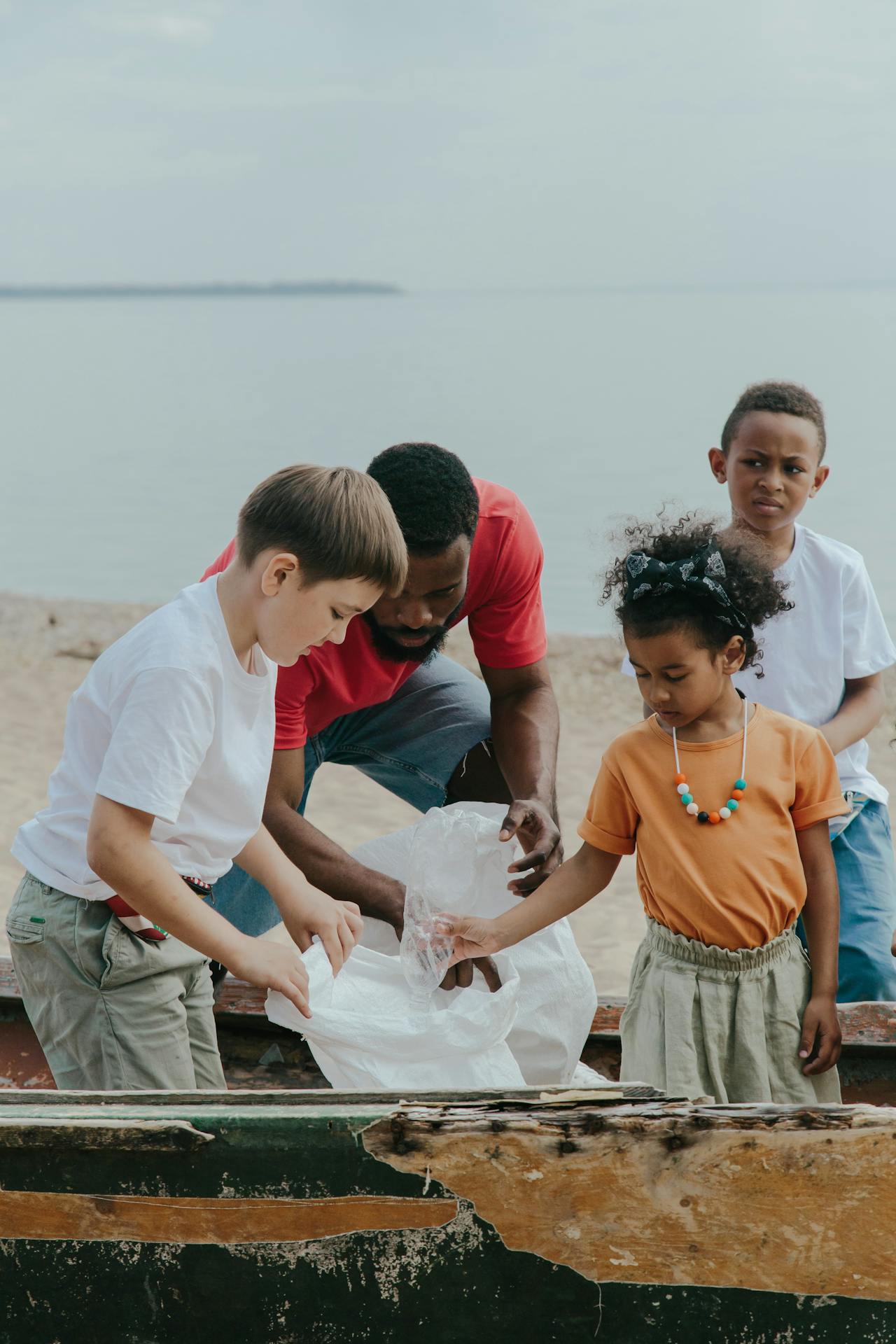
Teaching children to help others is one of the most valuable lessons a parent or caregiver can pass on. Kindness, generosity, and empathy are not just traits people are born with; they are qualities that can be nurtured over time. By guiding children to think beyond themselves and care for others, you help shape them into compassionate and responsible individuals.
Why Teaching Kindness Matters
Children learn how to treat others by observing the world around them. When they are encouraged to help those in need, they begin to understand the importance of empathy and connection.
Helping others also builds character. It teaches children that their actions matter and that even small acts of kindness can make a difference. These lessons stay with them into adulthood, influencing how they interact with others and how they view the world.
Leading by Example
One of the most effective ways to teach children to help others is by showing them what it looks like in everyday life. Children are naturally observant, and they often imitate what they see.
Simple actions, such as helping a neighbor, donating to a cause, or speaking kindly about others, can leave a lasting impression. When children see these behaviors consistently, they begin to understand that helping others is a normal and important part of life.
Encouraging Practical Acts of Kindness
Teaching children to help others becomes more meaningful when they are given opportunities to take action themselves. This could include sharing with friends, helping at home, or participating in community activities.
These experiences allow children to connect their actions with real outcomes. They begin to see how their efforts can positively affect someone else’s life, which reinforces the value of kindness and generosity.
Using the Bible as a Teaching Tool
For families who value faith, the Bible can be a powerful way to teach children about helping others. Its teachings consistently emphasize love, compassion, and caring for those in need.
Stories and lessons from the Bible can help children understand why helping others matters. They present clear examples of kindness, generosity, and selflessness, making it easier for children to grasp these concepts. Through these teachings, children learn that helping others is not only a good choice but also an important part of living a meaningful and faithful life.
By using the Bible and resources like Compassion International that help direct you in the right direction to create opportunities for discussion, parents can talk with their children about what these teachings mean and how they can be applied in everyday situations.
Teaching Empathy and Understanding
Helping children develop empathy is key to encouraging them to support others. This involves teaching them to consider how other people feel and what they might be going through. Simple conversations can make a big difference. Asking children how they would feel in someone else’s situation helps them think beyond their own experiences and builds emotional awareness.
Making Kindness a Daily Habit
Kindness should not be something children practice occasionally; it should become part of their daily routine. Encouraging small, consistent actions helps reinforce the habit of helping others. Whether it’s offering help at school, being kind to a sibling, or showing gratitude, these everyday moments shape a child’s mindset. Over time, kindness becomes second nature.
Conclusion
Teaching children how to help others is an ongoing process that requires patience, consistency, and intention. By leading by example, encouraging action, and using tools like the Bible to guide discussions, parents can instill values that last a lifetime.
When children learn to care for others, they grow into individuals who contribute positively to the world around them, creating a future built on compassion, generosity, and understanding.