Positive Parenting Tips for Fathers: Practical Ways to Raise Happy, Confident Children


Introduction

Positive parenting for fathers is about much more than providing for your family. Every conversation, shared activity, encouraging word, and comforting hug helps shape your child’s confidence, emotional well-being, and view of the world. While there is no single perfect parenting style, positive parenting focuses on building trust, respect, and strong relationships that benefit both fathers and children.
These positive parenting tips for fathers are designed to help you become a more patient, supportive, and engaged parent. Whether you’re raising a newborn, toddler, school-aged child, or teenager, small everyday actions can make a lasting difference in your child’s development.
Positive parenting doesn’t mean avoiding discipline or saying “yes” to everything. Instead, it means guiding your child with empathy, consistency, and clear boundaries while encouraging independence, resilience, and mutual respect. Children learn by watching the adults around them, making fathers powerful role models in their lives.
In this guide, you’ll discover practical parenting strategies, positive discipline techniques, common mistakes to avoid, and simple habits that can strengthen your relationship with your child while supporting healthy emotional and social development.
If you’re just beginning your parenting journey, you may also find our First-Time Dad Guide helpful for preparing for pregnancy, childbirth, newborn care, and the early weeks of fatherhood. To better understand the lifelong impact of an involved father, explore our Fatherhood Matters pillar guide.
What Is Positive Parenting?

Positive parenting is an approach that focuses on building a loving, respectful, and supportive relationship between parents and children. Instead of relying on fear, harsh punishment, or constant criticism, positive parenting encourages guidance through communication, encouragement, consistency, and age-appropriate boundaries.
The goal isn’t to raise perfect children—it is to help children become confident, responsible, emotionally healthy, and capable of making good decisions as they grow.
For fathers, positive parenting means being actively involved in everyday life. It includes listening to your child, spending meaningful time together, encouraging curiosity, teaching problem-solving skills, and showing unconditional love while maintaining clear expectations.
Children thrive when they feel safe, respected, and understood. Research has consistently shown that warm, responsive parenting contributes to healthier emotional development, stronger social skills, improved self-esteem, and better long-term well-being.
Positive parenting also benefits fathers. Spending quality time with your child strengthens your relationship, improves communication, and creates lasting memories that both of you will cherish for years to come.
Unlike parenting styles based primarily on control or punishment, positive parenting recognizes mistakes as opportunities to teach rather than simply discipline. Every challenge becomes a chance to help your child learn valuable life skills while strengthening the trust between you.
By practicing positive parenting consistently, fathers can create a home environment where children feel supported, encouraged, and confident enough to explore the world while knowing they always have a safe place to return.
According to the CDC’s Positive Parenting Tips by Age, parenting strategies should evolve as children grow to support their emotional, social, and cognitive development.
If you’re just beginning your parenting journey, you may also find our First-Time Dad Guide helpful for preparing for pregnancy, childbirth, newborn care, and the early weeks of fatherhood. To better understand the lifelong impact of an involved father, explore our Fatherhood Matters pillar guide.
Why Fathers Play a Unique Role in Positive Parenting
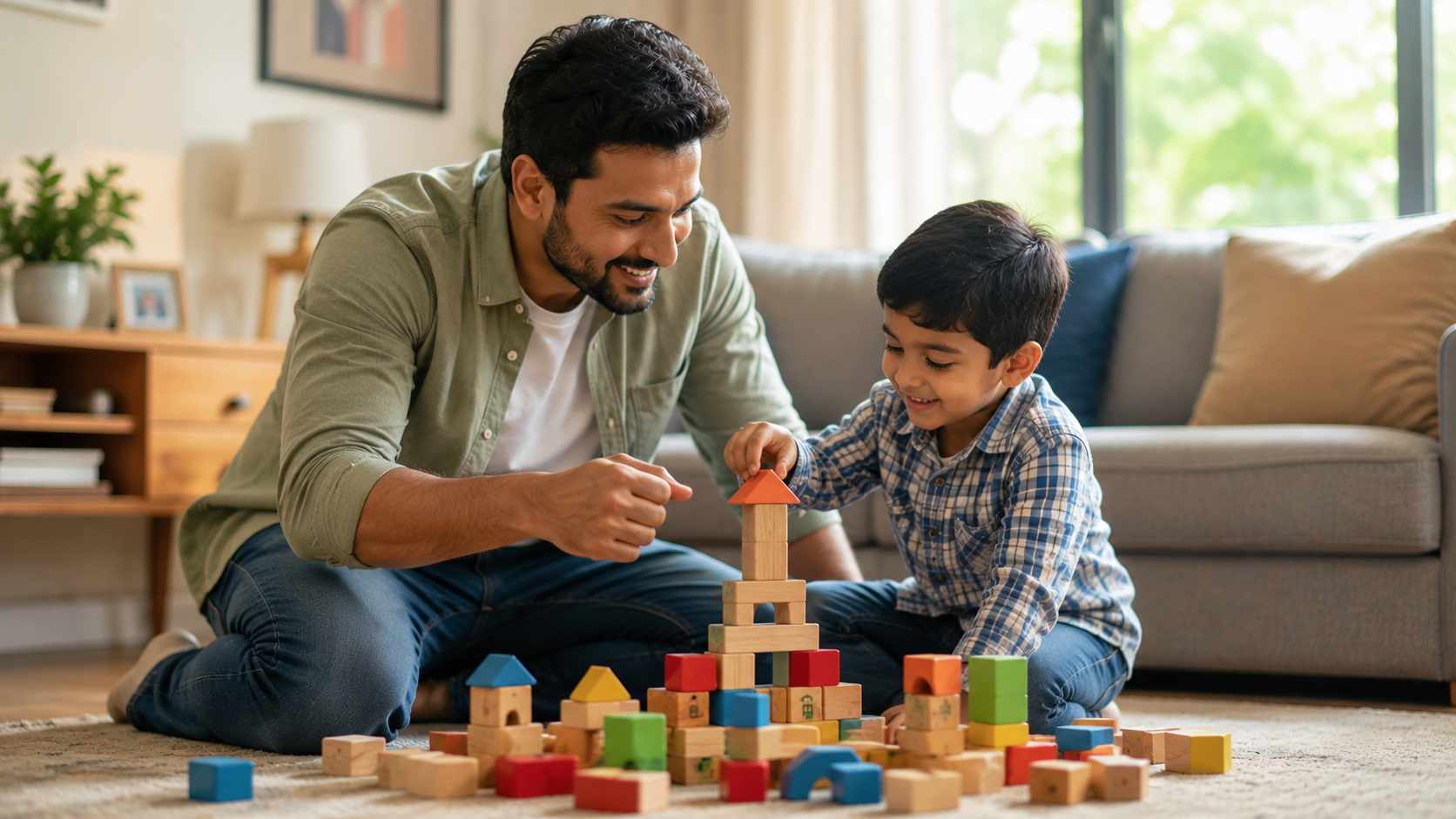
A father’s influence extends far beyond providing financial support or helping with daily responsibilities. Fathers play an important role in shaping their child’s emotional well-being, confidence, resilience, and ability to build healthy relationships throughout life.
Positive parenting isn’t about being perfect—it’s about being consistently present, supportive, and engaged. Even small daily interactions can have a lasting impact on how children think, feel, and respond to challenges as they grow.
Whether you’re reading a bedtime story, helping with homework, playing outside, or simply listening after a difficult day, your involvement helps create a secure and trusting relationship that benefits your child for years to come.
Building Emotional Security
Children thrive when they know they are loved, accepted, and supported. Fathers who consistently show affection, encouragement, and patience help create an emotionally secure environment where children feel safe expressing themselves.
You can strengthen your child’s emotional security by:
- Listening without interrupting.
- Offering hugs and words of encouragement.
- Spending one-on-one time together.
- Respecting your child’s feelings.
- Remaining calm during challenging situations.
- Being available when your child needs support.
Children who feel emotionally secure are often more willing to communicate openly, try new experiences, and recover from setbacks with greater confidence.
The CDC’s Healthy Child Development guidance explains that responsive and nurturing relationships with caregivers play an important role in children’s emotional well-being.
Leading by Example
Children learn far more from what parents do than from what they say. Every interaction teaches valuable lessons about kindness, honesty, responsibility, patience, and respect.
Consider the behaviors you model each day:
- Speaking respectfully to others.
- Managing frustration calmly.
- Keeping promises.
- Showing empathy.
- Solving problems without aggression.
- Admitting mistakes when you’re wrong.
When children regularly observe positive behaviors at home, they’re more likely to develop those same habits in their own relationships.
Parent Tip
If you lose your patience, don’t be afraid to apologize. A sincere apology teaches your child that everyone makes mistakes and that taking responsibility is an important part of healthy relationships.
Supporting Confidence and Independence
One of the greatest gifts a father can give is the confidence to explore, learn, and become independent. Positive parenting encourages children to try new things while knowing they have a safe place to return if they need support.
Simple ways to encourage independence include:
- Letting children make age-appropriate choices.
- Encouraging problem-solving instead of immediately giving answers.
- Praising effort rather than only results.
- Allowing children to learn from safe mistakes.
- Celebrating progress, no matter how small.
Confidence develops gradually through everyday experiences. Children become more resilient when they know their parents believe in their abilities.
The American Academy of Pediatrics (AAP) encourages parents to create supportive environments where children can develop independence while feeling emotionally secure and connected to their families.
Creating Lasting Family Memories
Children may not remember every toy they received or every family vacation, but they often remember how their parents made them feel. Everyday moments—reading together, cooking a meal, playing in the park, or simply talking before bedtime—help create memories that strengthen the father-child relationship.
These shared experiences also teach important life skills such as communication, cooperation, gratitude, and empathy.
If you’re still building confidence in your parenting journey, our First-Time Dad Guide provides practical advice on developing everyday routines and becoming an active, involved father from the very beginning.
15 Positive Parenting Tips for Fathers
Positive parenting isn’t about making grand gestures every day. It’s built through small, consistent actions that help your child feel loved, respected, and supported. The following tips can strengthen your relationship with your child while encouraging healthy emotional, social, and cognitive development.
1. Spend Quality Time Every Day

Children value your attention more than expensive gifts or elaborate activities. Even 15 to 20 minutes of uninterrupted, one-on-one time each day can strengthen your relationship and help your child feel important.
Quality time doesn’t have to be complicated. You can:
- Read a story together.
- Play a favorite game.
- Go for a short walk.
- Talk about your child’s day.
- Cook a simple meal together.
During this time, put away distractions like your phone or laptop and focus entirely on your child. These everyday moments build trust and create lasting memories.
2. Listen More Than You Speak
Children want to feel heard just as much as adults do. When your child talks to you, give them your full attention instead of rushing to offer advice or solutions.
Practice active listening by:
- Maintaining eye contact.
- Avoiding interruptions.
- Asking open-ended questions.
- Acknowledging their feelings.
- Responding calmly.
When children know their opinions matter, they become more confident communicating with you as they grow older.
Parent Tip
Sometimes your child isn’t looking for an answer—they simply want to know you’re listening.
3. Praise Effort, Not Just Results
Instead of only celebrating achievements like good grades or winning a competition, recognize the effort your child puts into learning and improving.
For example, instead of saying:
“You’re so smart.”
Try saying:
“I’m proud of how hard you worked on that project.”
This encourages a growth mindset and teaches children that persistence and effort are just as important as success.
The American Academy of Pediatrics (AAP) encourages parents to use positive encouragement and supportive communication to help children develop confidence and resilience.
4. Stay Calm During Difficult Moments
Every parent experiences frustration from time to time. However, how you respond during challenging situations teaches your child how to handle their own emotions.
When you feel overwhelmed:
- Take a deep breath before responding.
- Speak in a calm voice.
- Focus on solving the problem rather than assigning blame.
- Avoid yelling or harsh criticism.
- Model respectful communication.
Children learn emotional regulation by watching the adults around them.
5. Set Clear and Consistent Boundaries
Positive parenting doesn’t mean saying “yes” to everything. Children need clear expectations and consistent boundaries to feel secure.
Set rules that are:
- Age-appropriate.
- Easy to understand.
- Consistently enforced.
- Explained with simple reasons.
When children understand why rules exist, they’re more likely to cooperate and develop self-discipline over time.
6. Be Involved in Everyday Routines
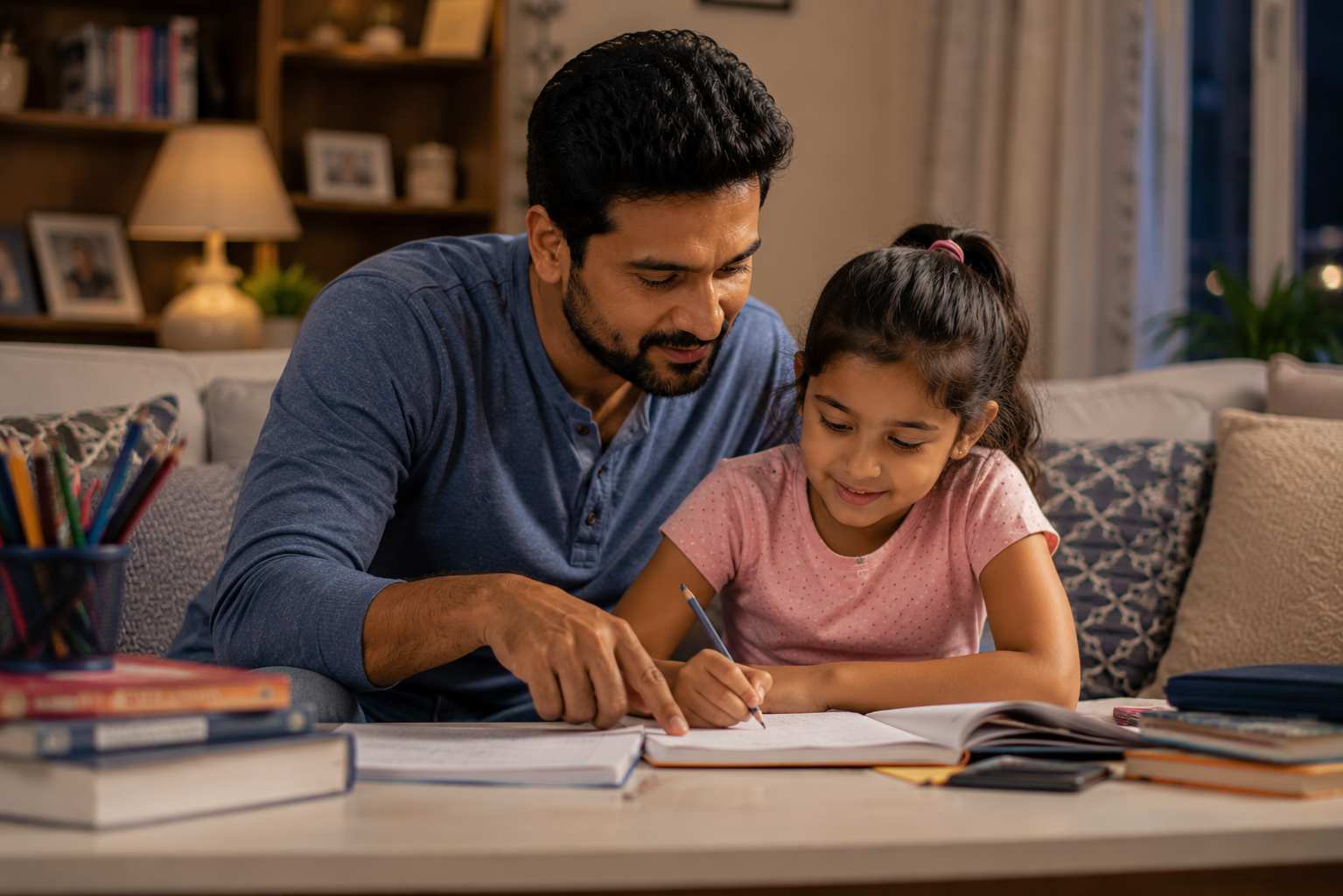
Positive parenting isn’t measured by occasional big moments—it’s built through everyday consistency. Simple routines help children feel secure while giving fathers countless opportunities to connect.
Try to participate in daily activities such as:
- Eating meals together.
- Helping with homework.
- Bath time for younger children.
- Bedtime stories.
- School drop-offs or pick-ups.
- Weekend family activities.
These routines provide natural opportunities for conversation, encouragement, and guidance. They also show your child that they’re an important part of your daily life—not just your schedule.
If you’re balancing work and family responsibilities, remember that consistency often matters more than the amount of time you spend together. Even short, meaningful interactions can strengthen your relationship.
7. Encourage Your Child to Solve Problems
As a father, your instinct may be to fix every problem your child encounters. However, constantly providing solutions can prevent children from developing confidence and critical thinking skills.
Instead, guide them by asking questions like:
- “What do you think you could try first?”
- “How would you solve this?”
- “What happened last time?”
- “Can we think of another option together?”
This approach teaches children to think independently while knowing they have your support when they need it.
Over time, problem-solving skills help children become more resilient, adaptable, and confident in handling challenges both at home and at school.
8. Help Your Child Understand and Express Emotions
Children experience a wide range of emotions but may not always know how to express them appropriately. Fathers play an important role in helping children recognize, name, and manage their feelings.
When your child is upset:
- Stay calm.
- Listen without judging.
- Acknowledge their emotions.
- Help them put their feelings into words.
- Discuss healthy ways to respond.
For example:
Instead of saying:
“Stop crying.”
Try:
“I can see you’re feeling disappointed. Let’s talk about what happened.”
When children feel understood rather than dismissed, they learn emotional intelligence, empathy, and healthy communication skills.
The CDC highlights that responsive, supportive relationships with caregivers contribute significantly to children’s emotional development and resilience.
9. Use Positive Discipline Instead of Harsh Punishment
Discipline is about teaching—not controlling.
Positive discipline helps children understand the consequences of their actions while preserving trust and respect between parent and child.
Effective positive discipline includes:
- Explaining why a behavior is inappropriate.
- Using logical consequences.
- Remaining calm.
- Encouraging better choices.
- Praising improvement.
Avoid relying on:
- Yelling
- Humiliation
- Threats
- Physical punishment
- Name-calling
These approaches may stop behavior temporarily but can damage trust and increase fear rather than understanding.
Children are far more likely to cooperate when they understand expectations and feel respected.
The CDC’s Essentials for Parenting program encourages parents to use praise, consistency, and positive communication to guide children’s behavior instead of relying on harsh punishment.
10. Read, Play, and Learn Together

Learning doesn’t only happen in school—it happens every day through play, conversation, and shared experiences.
Reading books together improves:
- Language development
- Imagination
- Listening skills
- Parent-child bonding
Likewise, playing together teaches valuable life skills such as:
- Teamwork
- Patience
- Creativity
- Problem-solving
- Communication
Whether you’re building with blocks, kicking a soccer ball, drawing pictures, or exploring nature, your involvement shows your child that learning can be enjoyable.
These moments often become some of the most cherished memories of childhood while strengthening your relationship in meaningful ways.
11. Model Respectful Behavior Every Day
One of the most powerful parenting lessons happens without saying a word. Children constantly observe how their parents treat family members, friends, coworkers, and even strangers. Your actions become their example.
Demonstrate respect by:
- Speaking politely, even during disagreements.
- Showing kindness to others.
- Listening without interrupting.
- Being honest and dependable.
- Treating your partner and family members with respect.
- Expressing gratitude regularly.
When children grow up in a respectful environment, they’re more likely to develop empathy, cooperation, and healthy communication skills. Remember, your child is learning not only from how you treat them but also from how you treat everyone around you.
12. Celebrate Small Achievements
Every milestone deserves recognition, whether it’s learning to tie shoes, finishing a difficult homework assignment, making a new friend, or showing kindness to a sibling.
Celebrating progress helps children:
- Build confidence.
- Stay motivated.
- Develop resilience.
- Feel appreciated.
- Enjoy learning.
Celebration doesn’t require expensive rewards. Often, a genuine smile, a high-five, encouraging words, or spending extra time together has a much greater impact.
Try saying:
- “I’m proud of how hard you worked.”
- “You kept trying even when it was difficult.”
- “That was a thoughtful thing to do.”
- “I noticed how kind you were today.”
By recognizing effort and character, you encourage values that last far beyond childhood.
13. Don’t Be Afraid to Apologize
Many fathers worry that apologizing will undermine their authority. In reality, it demonstrates humility, accountability, and emotional maturity.
If you’ve reacted unfairly or spoken harshly, acknowledge it.
For example:
“I’m sorry I raised my voice earlier. I was frustrated, but I should have handled it better.”
This simple apology teaches your child that:
- Everyone makes mistakes.
- Taking responsibility is important.
- Respect goes both ways.
- Healthy relationships include forgiveness and growth.
Children who see adults admit mistakes are more likely to do the same and develop stronger conflict-resolution skills.
14. Keep Learning as a Parent
Parenting evolves as your child grows. The strategies that work with a toddler won’t necessarily work with a teenager. Being open to learning helps you adapt to each stage with confidence.
You can continue growing by:
- Reading trusted parenting resources.
- Attending parenting workshops or classes.
- Listening to parenting podcasts.
- Talking with experienced parents.
- Discussing challenges with your partner.
- Asking healthcare professionals when you need guidance.
No parent has all the answers, and seeking knowledge is a sign of commitment—not weakness.
As your parenting journey continues, revisit our Fatherhood Matters pillar article to explore the long-term impact of an involved father and discover additional resources that support every stage of fatherhood.
15. Take Care of Yourself So You Can Care for Your Child
Positive parenting starts with a healthy parent. Fathers often focus so much on providing for their families that they neglect their own physical and emotional well-being.
Self-care isn’t selfish—it’s essential.
Prioritize habits such as:
- Getting enough sleep.
- Eating nutritious meals.
- Exercising regularly.
- Managing stress in healthy ways.
- Maintaining friendships and supportive relationships.
- Seeking help when you’re feeling overwhelmed.
When you care for yourself, you’re better equipped to remain patient, emotionally available, and engaged with your child.
Children also benefit from seeing their parents model healthy habits, demonstrating that taking care of both body and mind is an important part of a balanced life.
Common Parenting Mistakes Fathers Should Avoid
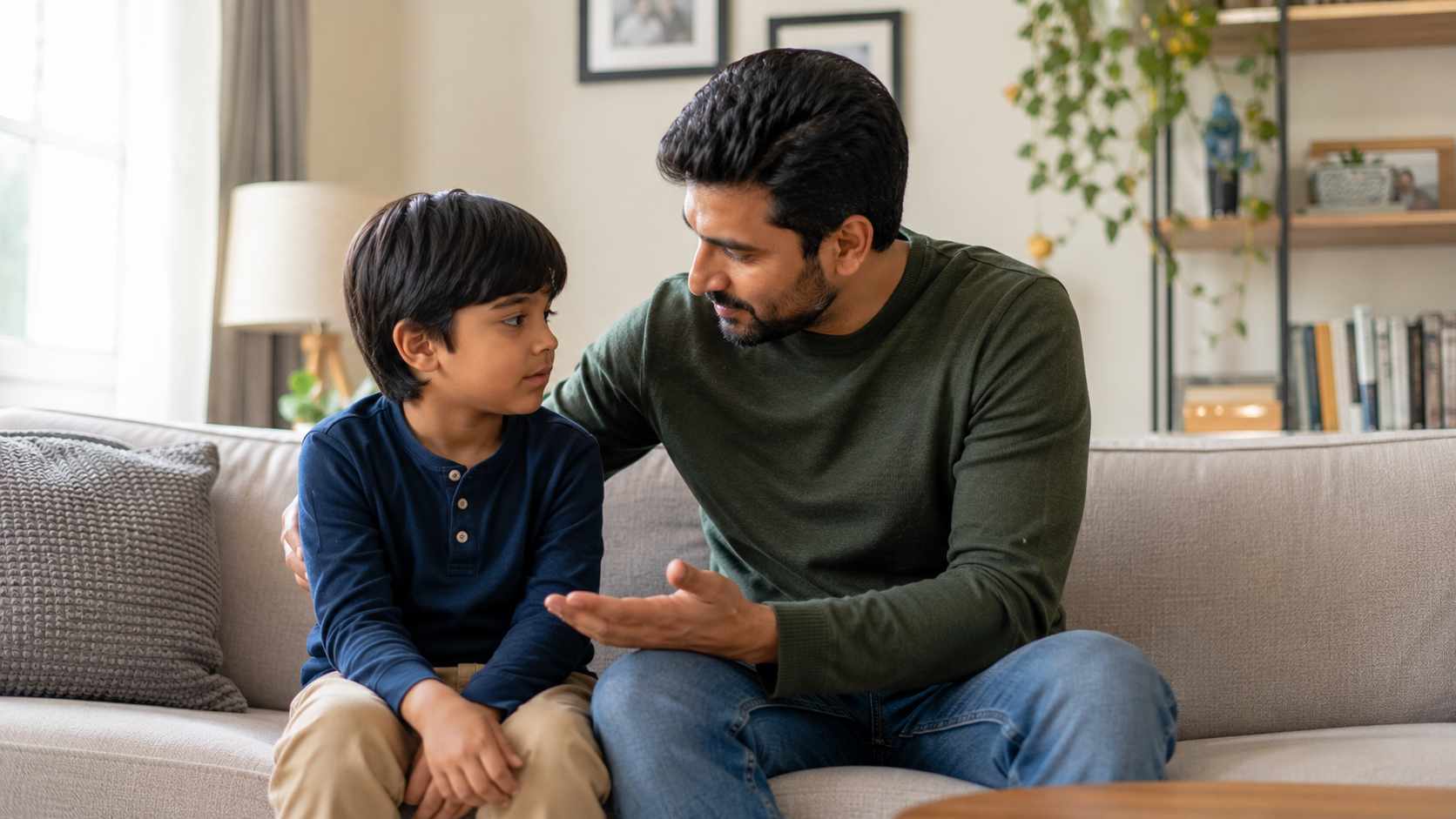
Every father makes mistakes, and that’s a natural part of parenting. Positive parenting isn’t about perfection—it’s about learning, adapting, and striving to build a strong, loving relationship with your child.
Being aware of common pitfalls can help you avoid habits that may unintentionally affect your child’s emotional development or your relationship with them.
Here are some mistakes to watch for:
Expecting Perfection
Children learn through trial and error. Setting unrealistic expectations can create unnecessary pressure and discourage them from trying new things. Instead, encourage effort, celebrate progress, and recognize that mistakes are valuable learning opportunities.
Being Inconsistent with Rules
Children feel more secure when expectations are predictable. Frequently changing rules or consequences can lead to confusion and frustration. Establish clear boundaries and apply them consistently while remaining fair and understanding.
Solving Every Problem for Your Child
It’s natural to want to protect your child, but constantly stepping in can limit their independence. Offer guidance and support while allowing them to think through challenges and develop problem-solving skills on their own.
Comparing Your Child to Others
Every child develops at their own pace. Comparisons can damage self-esteem and create unnecessary pressure. Focus on your child’s individual strengths, interests, and personal growth rather than measuring them against siblings or peers.
Letting Work Always Come First
Providing for your family is important, but children also need your presence. Even brief moments of focused attention—reading a bedtime story, sharing a meal, or asking about their day—can strengthen your relationship and create lasting memories.
Ignoring Your Child’s Emotions
Children need to know that all emotions are valid, even when certain behaviors are not. Dismissing feelings with phrases like “Don’t cry” or “It’s not a big deal” can make children reluctant to express themselves. Instead, acknowledge their emotions and help them understand healthy ways to cope.
Positive Discipline vs. Punishment

Many people use the terms discipline and punishment interchangeably, but they have very different goals. Positive parenting focuses on discipline because it teaches children how to make better choices rather than simply making them fear the consequences of bad behavior.
Discipline is about guiding, teaching, and helping children learn self-control. Punishment, on the other hand, often focuses on making a child suffer for a mistake without helping them understand how to improve.
As a father, your response during challenging moments can shape how your child learns to handle mistakes, solve problems, and manage emotions.
The American Academy of Pediatrics’ discipline recommendations encourage parents to use calm, non-violent strategies that teach better behavior while preserving trust.
Understanding the Difference
| Positive Discipline | Punishment |
|---|---|
| Teaches appropriate behavior | Focuses on the mistake |
| Encourages learning | Often creates fear |
| Builds trust and respect | May damage the parent-child relationship |
| Uses calm communication | Often involves anger or frustration |
| Helps children develop self-control | Relies on external control |
The goal isn’t to eliminate consequences. Instead, consequences should be logical, fair, and connected to the child’s actions so they can understand the lesson behind them.
Practical Examples
Instead of saying:
“You’re grounded because I said so!”
Try:
“Screens are off for the rest of the evening because we agreed homework comes first. Tomorrow is a new opportunity to make a better choice.”
Instead of:
“Stop crying or I’ll give you something to cry about.”
Try:
“I know you’re upset. Let’s calm down together, then we’ll talk about what happened.”
Instead of:
“You’re being bad.”
Try:
“That behavior wasn’t okay, but I know you can make a better choice next time.”
Notice how the second response separates the child’s behavior from their identity. This helps children understand that making a mistake doesn’t make them a “bad” person.
Focus on Teaching, Not Winning
It’s easy to turn disagreements into power struggles, especially when you’re tired or stressed. However, positive parenting reminds fathers that the objective isn’t to win an argument—it’s to help children learn.
Ask yourself:
- What lesson do I want my child to learn from this situation?
- Will my response help them make better decisions in the future?
When discipline becomes a teaching opportunity instead of a battle, children are more likely to develop responsibility, empathy, and self-discipline.
Research from organizations such as the American Academy of Pediatrics (AAP) supports using positive, non-violent discipline strategies that encourage learning while maintaining a strong parent-child relationship.
How Positive Parenting Changes as Children Grow
Positive parenting isn’t a one-size-fits-all approach. As children move through different stages of development, their needs, abilities, and challenges evolve. Fathers who adapt their parenting style while maintaining love, consistency, and respect are better equipped to support their child’s growth.
Infants (0–12 Months)
During the first year, your child’s greatest need is to feel safe, loved, and cared for. Positive parenting at this stage focuses on responding to your baby’s needs with patience and affection.
You can support your baby by:
- Holding and comforting them.
- Talking and singing regularly.
- Making eye contact.
- Reading simple books.
- Establishing gentle daily routines.
These early interactions help build secure attachment and lay the foundation for healthy emotional development.
Toddlers (1–3 Years)
Toddlers are naturally curious and eager to explore their world. They’re also learning independence, which often leads to testing boundaries.
Positive parenting during this stage includes:
- Offering simple choices.
- Setting clear and consistent limits.
- Praising positive behavior.
- Redirecting unsafe actions.
- Being patient during tantrums.
Remember that toddlers are still learning to regulate their emotions, so calm guidance is often more effective than punishment.
Preschool and School-Age Children (4–12 Years)
As children grow, they become more independent while continuing to need encouragement and guidance.
Fathers can support this stage by:
- Helping with homework.
- Encouraging hobbies and interests.
- Teaching responsibility through age-appropriate chores.
- Discussing emotions openly.
- Spending regular quality time together.
Children at this age also begin developing friendships and problem-solving skills, making open communication especially important.
Teenagers
Teenagers seek greater independence while still needing parental support and guidance.
Positive parenting during adolescence means:
- Respecting their growing independence.
- Listening without immediately judging.
- Setting reasonable expectations.
- Discussing decisions together.
- Remaining involved in their lives.
Although teenagers may seem distant at times, consistent support and open communication help maintain a strong relationship during these important years.
One Principle Never Changes
No matter your child’s age, the foundation of positive parenting remains the same:
- Show unconditional love.
- Communicate with respect.
- Set consistent boundaries.
- Encourage learning.
- Be actively involved.
- Lead by example.
These principles help create a trusting relationship that can last well into adulthood. The WHO Nurturing Care framework highlights responsive caregiving, early learning, and secure relationships as important foundations for healthy child development.
Frequently Asked Questions
What is positive parenting for fathers?
Positive parenting for fathers is an approach that emphasizes love, respect, communication, and consistent guidance instead of fear or harsh punishment. It focuses on building a strong relationship while teaching children responsibility, emotional regulation, and problem-solving skills.
Why is a father’s involvement important in child development?
An involved father contributes to a child’s emotional, social, and cognitive development. Children with engaged fathers often develop greater self-confidence, stronger communication skills, better academic performance, and healthier relationships.
Can positive parenting work without punishment?
Yes. Positive parenting encourages discipline through teaching, logical consequences, and open communication rather than relying on harsh punishment. The goal is to help children understand their actions and learn better choices while maintaining trust and respect.
How can busy fathers spend more quality time with their children?
Quality matters more than quantity. Even 15–20 minutes of focused, distraction-free time each day can strengthen your relationship. Reading together, sharing meals, playing games, talking about the day, or taking a short walk are simple yet meaningful ways to connect.
What is the difference between discipline and punishment?
Discipline teaches children appropriate behavior and helps them develop self-control, while punishment often focuses only on correcting mistakes through fear or negative consequences. Positive discipline encourages learning, responsibility, and mutual respect.
How can fathers build a stronger relationship with their children?
Fathers can strengthen their relationship by spending consistent quality time together, listening actively, showing affection, encouraging open communication, respecting their child’s feelings, and being actively involved in everyday routines.
Key Takeaways
Positive parenting isn’t about becoming a perfect father—it’s about making intentional choices every day that help your child feel safe, respected, and supported.
Remember these important principles:
- Build trust through love, consistency, and open communication.
- Spend meaningful quality time with your child every day.
- Listen with empathy before offering solutions.
- Praise effort and character, not just achievements.
- Teach through positive discipline instead of harsh punishment.
- Encourage independence while providing guidance and support.
- Model the values and behaviors you hope your child will develop.
- Continue learning and adapting as your child grows.
- Take care of your own physical and emotional well-being so you can be fully present for your family.
Small, consistent actions often have the greatest impact. Every conversation, bedtime story, shared meal, and encouraging word contributes to a stronger father-child relationship and helps your child grow into a confident, compassionate, and resilient individual.
Final Thoughts

Being a father is one of life’s most meaningful responsibilities, and positive parenting provides a foundation for raising emotionally healthy, confident, and compassionate children. While every family faces challenges, approaching parenting with patience, empathy, and consistency can strengthen your relationship with your child and create lasting memories.
Remember that children don’t need a perfect father—they need one who is present, supportive, and willing to learn. The everyday moments you share, from reading bedtime stories to offering encouragement during difficult times, often have the greatest influence on your child’s future.
Positive parenting is a journey, not a destination. As your child grows, your role will continue to evolve, but the principles of love, respect, guidance, and open communication remain the same. By embracing these values, you can help your child thrive while building a lifelong bond based on trust and mutual respect.
If you’re beginning your parenting journey, explore our First-Time Dad Guide for practical advice on preparing for fatherhood. To learn more about the lifelong importance of an engaged father, read our comprehensive Fatherhood Matters pillar guide and continue exploring our growing collection of fatherhood resources.
The UNICEF positive parenting guidance encourages parents to use active listening, encouragement, and respectful communication to strengthen family relationships.
Parenting Disclaimer
The information in this article is intended for educational and informational purposes only. It should not replace professional medical, psychological, or parenting advice. Every child is unique, and parenting approaches may need to be adapted based on individual needs and circumstances. If you have concerns about your child’s development, behavior, or mental health, consult a qualified pediatrician, child psychologist, or other licensed healthcare professional.