
Tips to Protect Your Child from Monsoon Sickness are essential during the rainy season, when children are more vulnerable to infections, mosquito-borne diseases, stomach illnesses, and seasonal allergies. While the arrival of the monsoon brings welcome relief from the summer heat, it also creates conditions that allow bacteria, viruses, fungi, and mosquitoes to thrive.
Children love playing outdoors, splashing in puddles, and enjoying the cool weather, but these activities can expose them to seasonal health risks if proper precautions are not taken. Fortunately, a few simple daily habits can go a long way in keeping your child safe and healthy throughout the rainy season.
In this comprehensive guide, you’ll learn about common monsoon illnesses in children, practical prevention tips, healthy food choices, warning signs that require medical attention, and everyday precautions every parent should follow.
Why Are Children More Vulnerable During Monsoon?
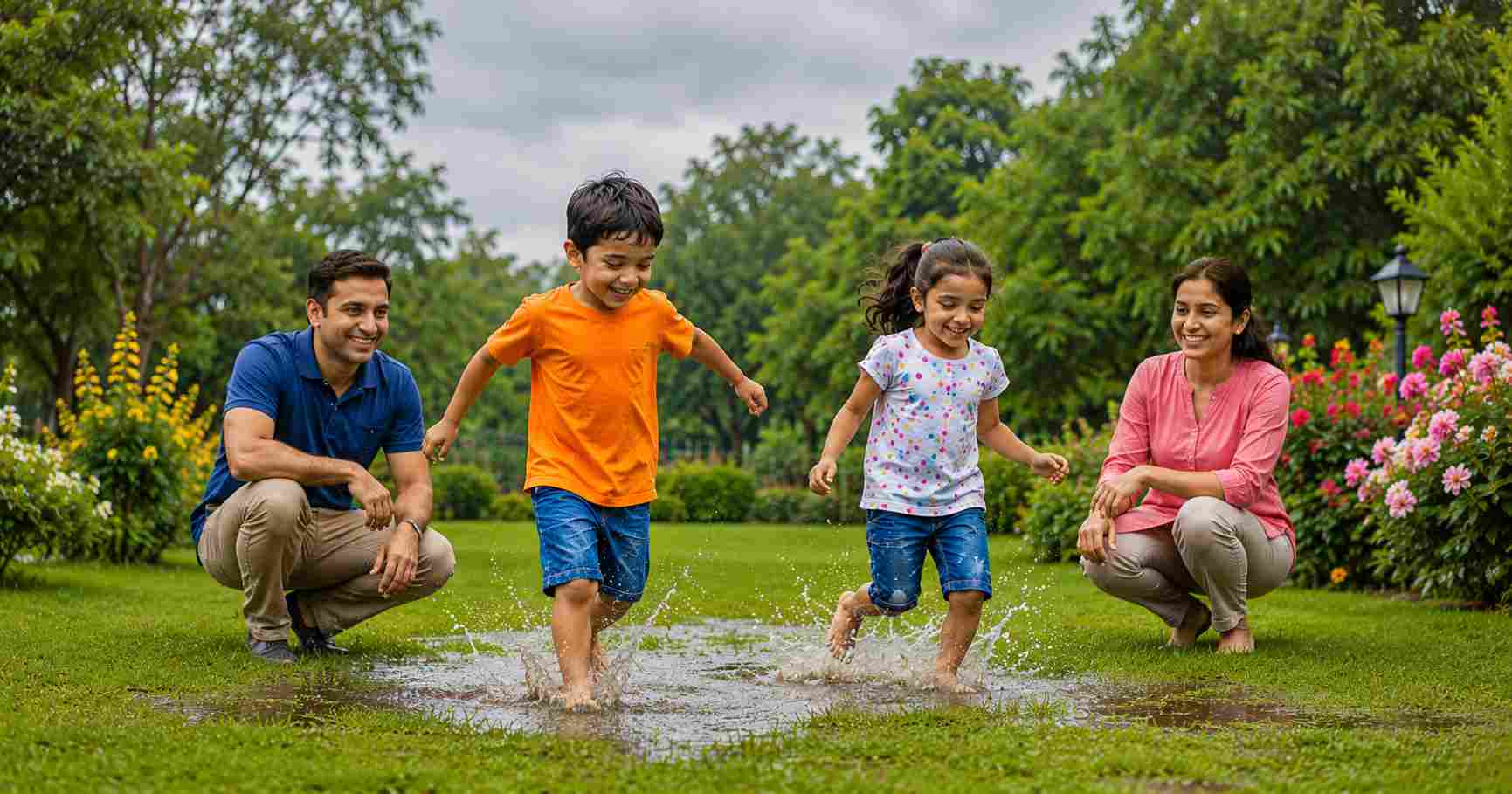
The rainy season creates ideal conditions for bacteria, viruses, fungi, and mosquitoes to thrive.
Some common reasons children fall sick during monsoon include:
- Increased mosquito breeding
- Contaminated food and water
- Poor hygiene
- Damp clothes and footwear
- Frequent temperature changes
- Weakened immunity
Understanding these risks is the first step toward preventing illness.
Common Monsoon Diseases in Children
Parents should be aware of the illnesses that become more common during the rainy season.
Viral Fever
Symptoms include:
- High fever
- Body aches
- Fatigue
- Headache
Dengue
Watch for:
- High fever
- Severe body pain
- Skin rash
- Bleeding gums
- Persistent vomiting
Malaria
Symptoms include:
- Chills
- Fever
- Sweating
- Weakness
Typhoid
Common signs:
- Prolonged fever
- Stomach pain
- Poor appetite
- Fatigue
Diarrhea and Food Poisoning
Often caused by contaminated food or water.
Symptoms:
- Loose stools
- Vomiting
- Dehydration
Cold and Flu
Children often develop:
- Runny nose
- Cough
- Sore throat
- Mild fever
Skin Infections
Excess moisture may cause:
- Fungal infections
- Rashes
- Itching
15 Tips to Protect Your Child from Monsoon Sickness
1. Keep Your Child Hydrated
Although children may not feel thirsty during cooler weather, they still need plenty of fluids.
Offer:
- Water
- Coconut water
- Homemade soups
- Fresh fruit juices (without added sugar)
Proper hydration helps maintain overall health and prevents dehydration if a child becomes ill.
2. Serve a Balanced, Nutritious Diet
A healthy diet supports your child’s immune system.
Include:
- Seasonal fruits
- Leafy vegetables
- Whole grains
- Eggs
- Lentils
- Milk
- Yogurt (if tolerated)
- Nuts (age-appropriate)
Limit processed snacks and sugary drinks. If you buy packaged foods for babies or toddlers, it’s equally important to understand how to read baby food packaging labels so you can make healthier choices for your child. If your child is a picky eater, our guide on 9 tips for sneaking veggies into your kids’ diets offers practical ideas to help you include more nutritious vegetables in everyday meals without turning mealtimes into a struggle.
3. Wash Hands Frequently
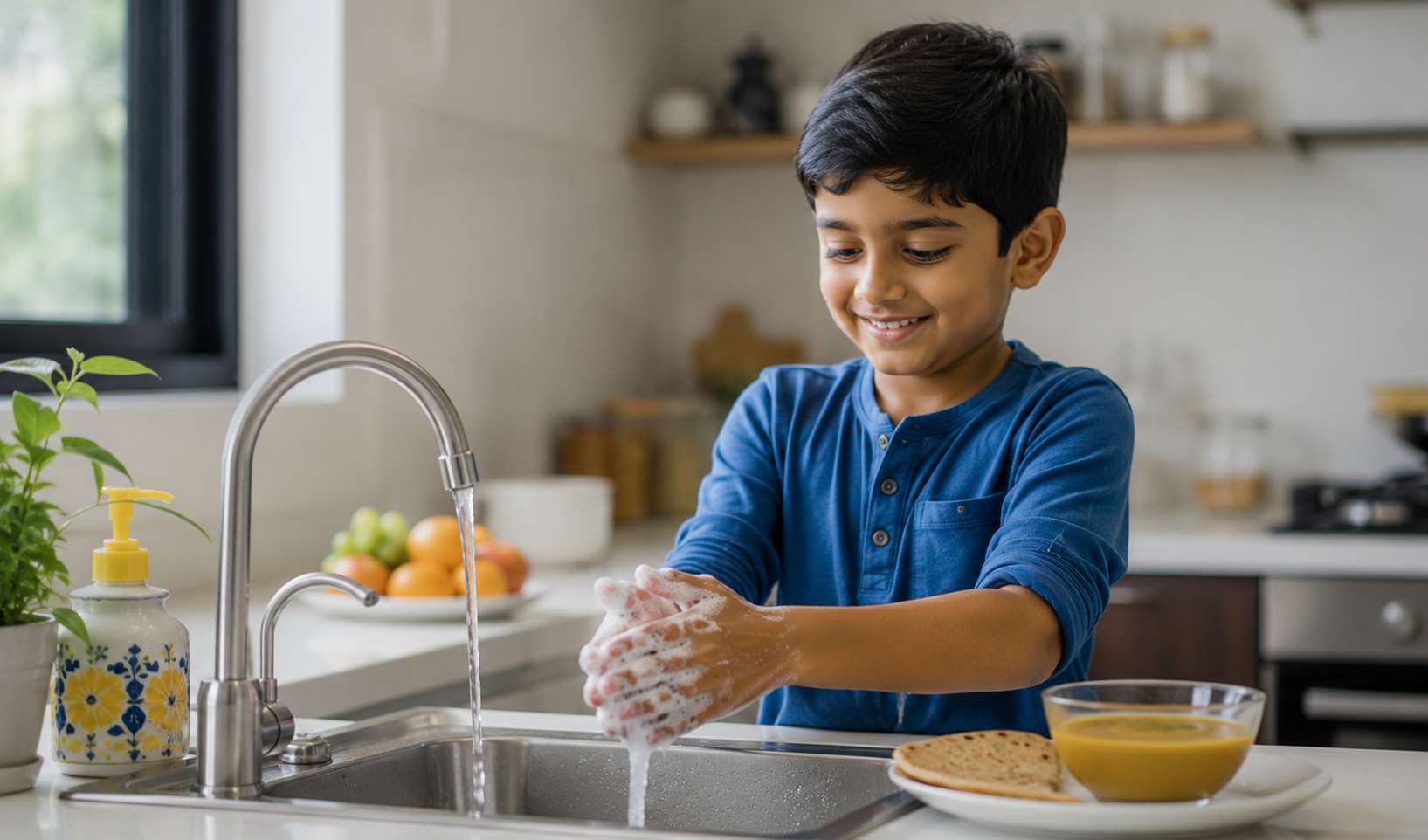
Teach children to wash their hands:
- Before eating
- After using the toilet
- After playing outdoors
- After touching pets
Use soap and water for at least 20 seconds.
4. Prevent Mosquito Breeding
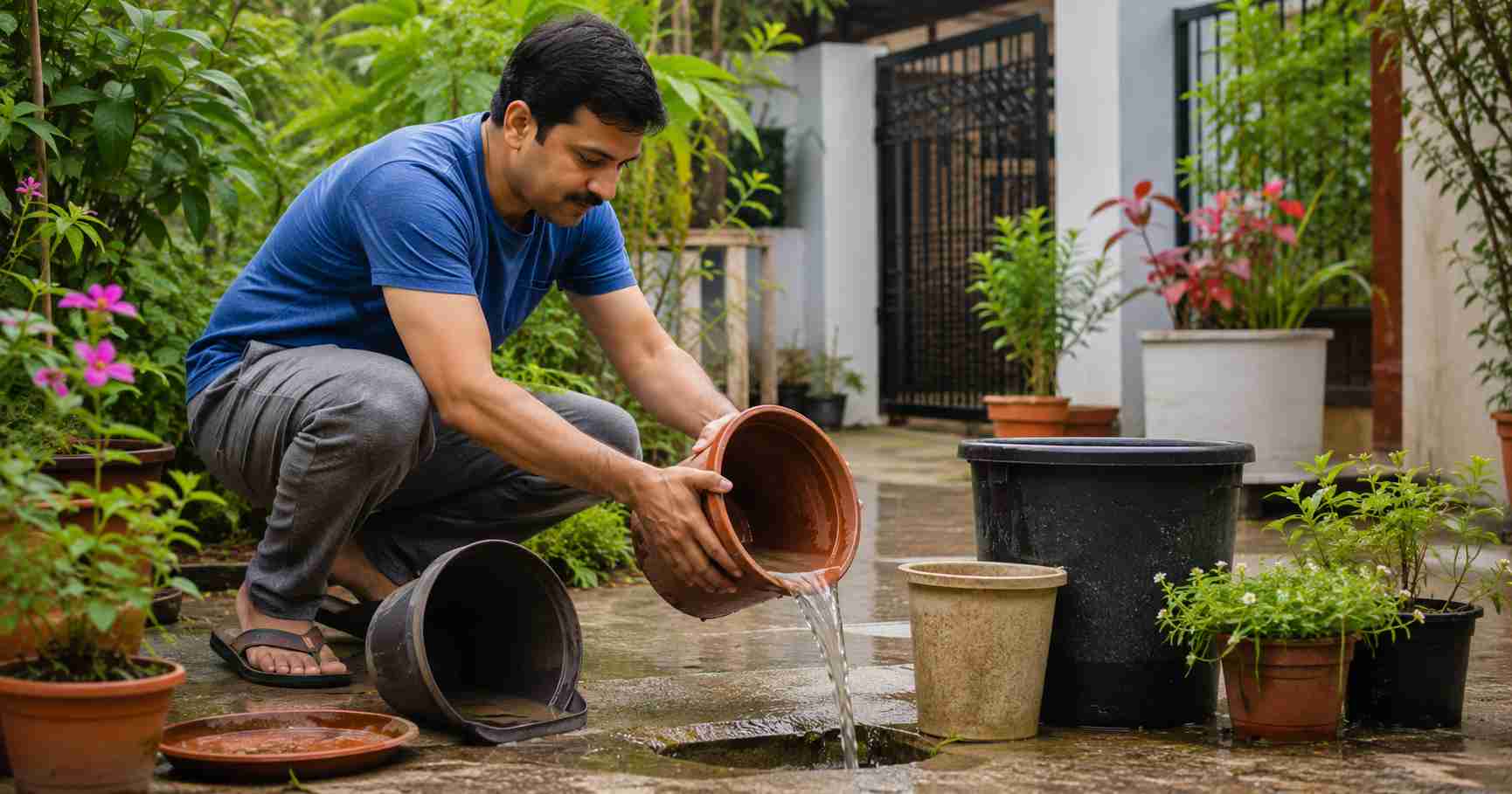
Mosquitoes spread diseases like dengue and malaria.
Parents should:
- Empty standing water from pots and buckets.
- Clean coolers regularly.
- Cover water storage containers.
- Use mosquito nets and screens.
- Apply child-safe mosquito repellent when appropriate.
These simple preventive measures are also recommended by the World Health Organization (WHO) to reduce the risk of dengue and other mosquito-borne diseases during the rainy season.
5. Keep Your Home Dry and Clean
Moist environments encourage the growth of mold and germs.
Ensure that:
- Bathrooms are dry.
- Wet clothes are dried promptly.
- Carpets and mats are cleaned regularly.
- Rooms are well ventilated.
6. Change Wet Clothes Immediately
Children often enjoy playing in the rain.
Once they come indoors:
- Dry them thoroughly.
- Change into clean, dry clothes.
- Dry their hair completely.
This helps reduce discomfort and lowers the risk of skin problems.
Choosing the right clothing is just as important as changing out of wet clothes. Soft, breathable fabrics can help keep your child comfortable and reduce the risk of skin irritation during the rainy season. If you’re shopping for your little one, check out our guide on purchase tips for baby clothing to choose safe, comfortable, and weather-appropriate outfits.
7. Provide Safe Drinking Water
Always give your child:
- Boiled water (where appropriate)
- Filtered water
- Safe bottled water while travelling
Avoid drinking untreated water from unknown sources. Safe drinking water, proper sanitation, and regular handwashing are among the most effective ways to reduce the risk of diarrhoeal diseases in children, according to the World Health Organization.
8. Avoid Street Food During Monsoon
Food sold outdoors may become contaminated due to:
- Rainwater
- Dust
- Flies
- Poor hygiene
Whenever possible, choose freshly prepared home-cooked meals. Teaching children basic food safety rules every young child should learn can also help prevent foodborne illnesses during the rainy season.
9. Boost Immunity Naturally
Foods that may support a healthy immune system include:
- Citrus fruits
- Guava
- Papaya
- Tomatoes
- Carrots
- Spinach
- Almonds
- Pumpkin seeds
A balanced diet and healthy habits can also improve your child’s immunity naturally.
10. Encourage Good Sleep
Children need adequate sleep for healthy growth and immune function.
Recommended sleep varies by age, but maintaining a consistent bedtime routine is important.
11. Dress Your Child Appropriately
Choose:
- Lightweight cotton clothing
- Waterproof jackets
- Comfortable rain shoes
Avoid keeping children in damp socks or shoes for long periods.
12. Clean School Items Regularly
School bags, lunch boxes, and water bottles can collect germs.
Clean them frequently and ensure lunch boxes are completely dry before reuse.
13. Limit Exposure to Dirty Water
Discourage children from:
- Walking barefoot in puddles
- Playing in stagnant water
These areas may contain bacteria, parasites, or sharp objects.
14. Watch for Early Signs of Illness
Seek medical advice if your child develops:
- Persistent fever
- Poor appetite
- Excessive tiredness
- Frequent vomiting
- Severe diarrhea
- Difficulty breathing
Early treatment can prevent complications. Parents should also watch for warning signs of severe dengue, as young children can become seriously ill and may need urgent medical attention. The UNICEF guide on dengue in children explains the symptoms parents should never ignore.
15. Keep Vaccinations Up to Date
Routine childhood immunizations remain one of the best ways to protect children from several serious illnesses.
Speak with your pediatrician if you’re unsure whether your child is up to date.
Best Immunity-Boosting Foods During Monsoon
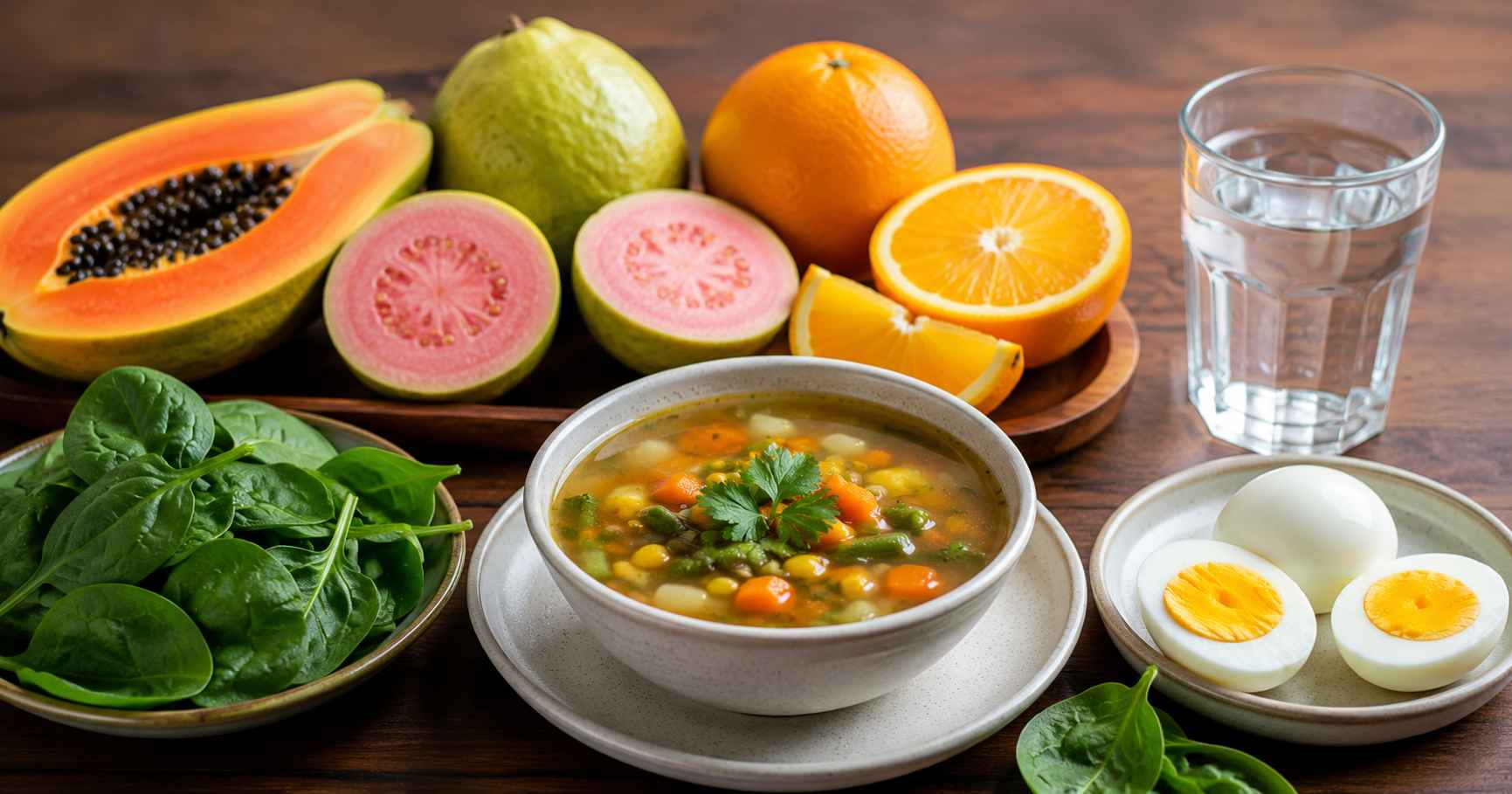
| Food | Benefit |
| Citrus fruits | Rich in Vitamin C |
| Guava | High in antioxidants |
| Papaya | Supports digestion |
| Yogurt | Supports gut health (if suitable for your child) |
| Lentils | Good source of protein |
| Eggs | Protein and essential nutrients |
| Homemade soups | Hydration and nutrition |
Foods to Avoid During the Monsoon Season
While nutritious foods help strengthen your child’s immune system, some foods are best avoided during the rainy season because they are more likely to become contaminated or upset your child’s stomach.
Street Food
Although tempting, street food may be exposed to rainwater, dust, flies, and poor hygiene. Foods such as chaat, pani puri, cut fruits, and uncovered snacks can increase the risk of stomach infections and food poisoning.
Stale or Leftover Food
Avoid serving food that has been left at room temperature for long periods. Warm, humid weather encourages the rapid growth of bacteria. Always refrigerate leftovers promptly and reheat them thoroughly before serving.
Raw Salads from Outside
If you’re eating at restaurants or ordering takeout, be cautious with raw salads. Fruits and vegetables that haven’t been washed properly may carry harmful bacteria and parasites.
Sugary Snacks and Soft Drinks
Excess sugar provides little nutritional value and may replace healthier food choices. Encourage children to choose fresh fruits, homemade snacks, and water instead of sugary beverages and processed treats.
Unpasteurized Dairy Products
Always choose pasteurized milk and dairy products from trusted brands. Store them correctly to reduce the risk of bacterial contamination.
When Should You Visit a Pediatrician?
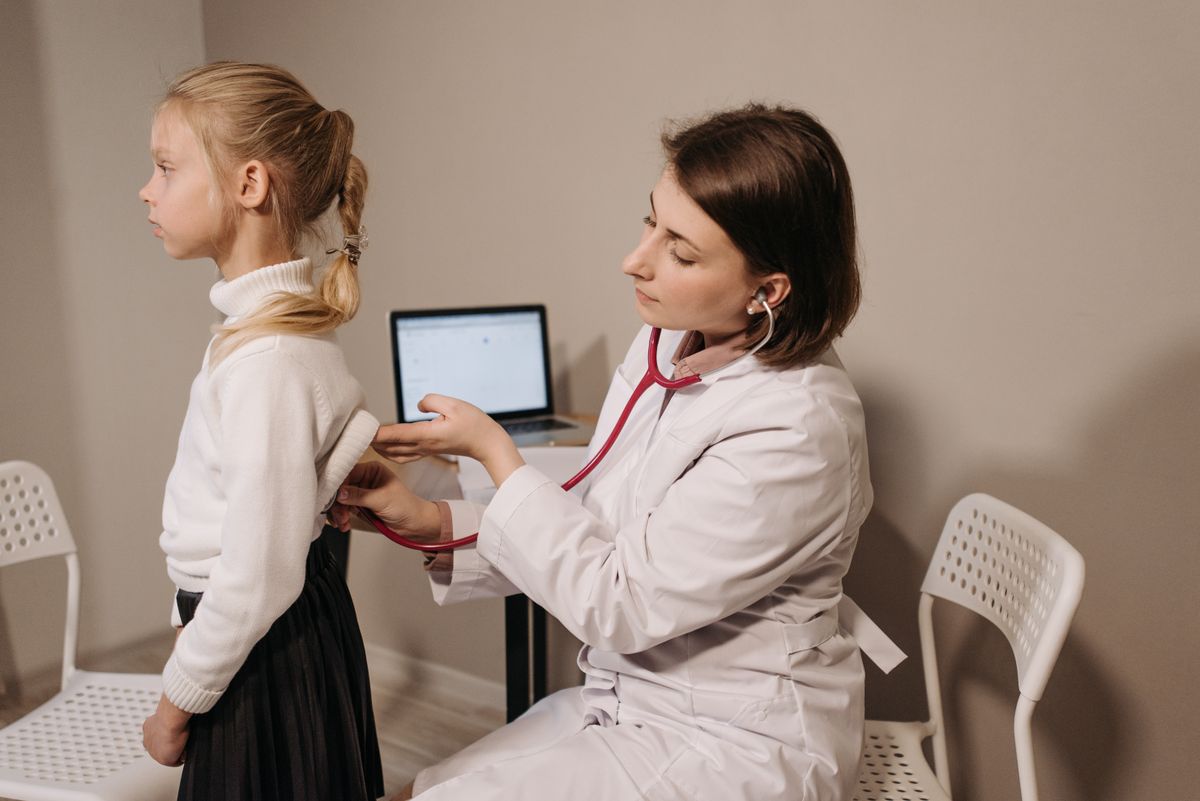
Consult your child’s healthcare provider if your child has:
- Fever lasting more than 48 hours
- Difficulty breathing
- Persistent vomiting
- Severe diarrhea
- Signs of dehydration
- Extreme sleepiness
- Rash with fever
- Severe abdominal pain
Monsoon Safety Checklist for Parents
A simple daily routine can help reduce your child’s risk of seasonal illnesses. Use this checklist throughout the rainy season:
- Encourage frequent handwashing.
- Give only clean, filtered, or boiled drinking water.
- Dress children in dry, breathable clothing.
- Keep mosquito breeding areas around your home clean.
- Serve freshly prepared home-cooked meals whenever possible.
- Wash fruits and vegetables thoroughly before eating.
- Clean school lunch boxes and water bottles every day.
- Avoid letting children play in stagnant water.
- Keep raincoats, umbrellas, and waterproof shoes ready.
- Watch for fever, rashes, vomiting, or unusual tiredness and seek medical advice if symptoms persist.
Following these simple habits every day can go a long way in keeping your child healthy during the rainy season.
Common Mistakes Parents Make During Monsoon
Even well-meaning parents can overlook small habits that increase the risk of illness during the rainy season. Avoid these common mistakes to help protect your child’s health.
Letting Children Stay in Wet Clothes
Wet clothes can make children uncomfortable and increase the risk of skin irritation. Always change wet clothes and shoes as soon as your child comes indoors.
Ignoring Standing Water Around the House
Even small amounts of stagnant water in flower pots, buckets, or coolers can become breeding grounds for mosquitoes. Inspect your surroundings regularly and remove any standing water.
Buying Food from Unhygienic Sources
Street food and uncovered snacks are more likely to become contaminated during the rainy season. Freshly prepared home-cooked meals are usually the safest option.
Waiting Too Long Before Visiting a Doctor
Parents sometimes assume that every fever is caused by a common cold. If your child develops persistent fever, dehydration, breathing difficulty, severe vomiting, or unusual sleepiness, seek medical attention without delay.
Neglecting Hand Hygiene
Children touch many surfaces while playing and attending school. Teaching proper handwashing before meals and after outdoor activities can significantly reduce the spread of infections.
Frequently Asked Questions
Can children play in the rain?
Occasional play in clean rainwater is generally fine for healthy children, but they should dry off, change into clean clothes, and avoid prolonged exposure.
How can I prevent dengue?
Remove standing water around your home, use mosquito protection, and dress children in clothing that covers their arms and legs when mosquitoes are active.
Is boiled water necessary during monsoon?
Using safe drinking water is important. Boiled or properly filtered water can help reduce the risk of water-borne illnesses.
Which fruits are best during the rainy season?
Vitamin C-rich fruits such as oranges, guava, and papaya are nutritious choices as part of a balanced diet.
Should children avoid street food during monsoon?
Street food may carry a higher risk of contamination during the rainy season, so freshly prepared home-cooked food is generally the safer option.
Final Thoughts
The monsoon season can be enjoyable for children, but it also requires parents to pay extra attention to hygiene, nutrition, hydration, and mosquito prevention. Simple daily habits—such as serving balanced meals, encouraging handwashing, keeping the home clean, and watching for early signs of illness—can go a long way toward protecting your child’s health.
With the right precautions, your family can enjoy the rainy season while minimizing the risk of common monsoon illnesses. Developing healthy daily habits throughout the year is equally important.
Medical Disclaimer: This article is intended for educational purposes only and should not replace professional medical advice. If your child has persistent symptoms or you are concerned about their health, consult a qualified pediatrician or healthcare provider.